
🌿 Plant Profile - Angelica (Angelica archangelica)

🌿 Angelica
Botanical Name: Angelica archangelica (European Angelica)(Related medicinal species include Angelica sinensis (Dong Quai), Angelica atropurpurea (American Angelica), and Angelica dahurica. This monograph focuses primarily on Angelica archangelica.)*
Family: Apiaceae
Common Names: Angelica, Garden Angelica, Wild Celery, Holy Ghost Root, Norwegian Angelica, Archangel Root, Masterwort (historically, though this name is also used for Peucedanum ostruthium)
Parts Used: Root (primarily), seeds, leaves, stems
Energetics: Warming, aromatic, slightly drying, mildly bitter
Tissue States: Cold digestion, damp stagnation, deficient circulation, respiratory congestion, nervous debility, weakened digestion, menstrual stagnation
Primary Actions: Aromatic bitter, carminative, digestive stimulant, antispasmodic, expectorant, circulatory stimulant, emmenagogue, nervine, diaphoretic, antimicrobial

🌱 Botanical Description of Angelica
Angelica is a striking biennial or short-lived perennial herbaceous plant that is native to a variety of cold and temperate regions across the globe. Its natural habitat includes:
Northern Europe: This region is characterized by its cool climate, which provides the ideal conditions for Angelica to thrive.
Iceland: The unique volcanic soils and the island's moisture contribute to the growth of this remarkable plant.
Scandinavia: Here, Angelica can be found flourishing in the wild, adapting well to the varied landscapes.
Greenland: Despite the harsh conditions, this resilient plant manages to grow in the more hospitable areas of the island.
Russia: The vast expanses of this country provide a diverse range of environments suitable for Angelica's growth.
Siberia: In this cold region, Angelica is well-adapted to the cooler temperatures and can be found in various habitats.
Today, Angelica is cultivated extensively throughout various parts of the world, reflecting its versatility and adaptability. Its cultivation has expanded to include:
Europe: Where it is often grown in gardens for both ornamental and culinary purposes.
North America: Here, it has been embraced not only for its beauty but also for its traditional uses in herbal medicine.
Asia: In many Asian countries, Angelica is valued for its aromatic properties and is used in both cooking and traditional remedies.
Angelica flourishes in a variety of environments that provide the moisture and nutrients it requires. It is commonly found in:
Moist meadows: These areas provide a rich habitat where Angelica can grow vigorously.
Riverbanks: The proximity to water sources allows for the lush growth of this plant.
Woodland edges: Here, Angelica benefits from the dappled sunlight and rich organic matter in the soil.
Cool mountain valleys: The cooler temperatures in these regions are ideal for the plant's growth cycle.
Rich, fertile soils: Angelica thrives in well-drained soils that are high in organic content, promoting robust growth.
Key identifying features of Angelica include:
Tall hollow stems: These can reach impressive heights of 4–8 feet, giving the plant a commanding presence in any landscape.
Large compound leaves: The leaves are characterized by their serrated leaflets, which can be quite large and provide a striking contrast to the stems.
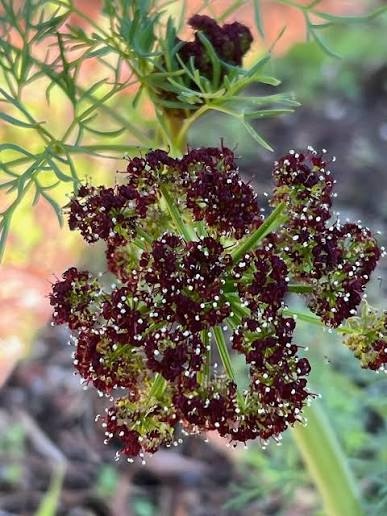
Massive globe-shaped umbels: The plant produces clusters of greenish-white flowers that are not only visually stunning but also attract a variety of pollinators.
Thick aromatic taproot: This root is not only substantial but also contributes to the plant's distinctive flavor and fragrance.
Distinct sweet, musky fragrance: The aroma is complex, with notes reminiscent of celery, juniper, and various spices, making it a unique sensory experience.
Angelica is among the largest members of the parsley family, Apiaceae, and possesses an imposing architectural beauty that makes it a popular choice for both ornamental gardens and herbal applications. Nearly every part of the plant is aromatic, reflecting its abundance of volatile oils that contribute to its characteristic scent. Historically, Angelica has been utilized in various ways; the stems were often candied to create a sweet confectionery treat, while the seeds have been used to flavor liqueurs, digestive tonics, and other culinary delights. Its rich history and multifaceted uses underscore the importance of Angelica as not only a botanical marvel but also a valuable resource in both traditional and modern practices.
📜 History & Traditional Uses
Medieval European Herbalism
Few herbs held a more exalted status in medieval Europe than Angelica. This revered plant was not only a staple in the herbalist's repertoire but also steeped in rich folklore and significant historical narratives.
According to tradition, the herb was revealed to a monk by the Archangel Michael during a devastating plague that ravaged Europe in the 14th century. This divine encounter gave rise to the name Angelica archangelica, which reflects its celestial origins and its enduring reputation as the "Root of the Holy Ghost." The belief in its divine protection contributed to its widespread use and veneration in various cultures.
Angelica became widely used for a multitude of ailments and health concerns, including:
Plague prevention: Herbalists believed that Angelica could ward off the deadly plague, leading people to consume it or carry it with them as a protective measure.
Epidemic illnesses: The herb was thought to bolster the immune system during outbreaks of various infectious diseases, becoming a go-to remedy for those fearful of contagion.
Respiratory infections: Its warming properties were believed to help alleviate symptoms of coughs and colds, making it a popular choice for respiratory health.
Digestive weakness: Angelica was utilized to stimulate appetite and aid digestion, particularly for those suffering from digestive disorders.
Poisoning: In cases of suspected poisoning, Angelica was often administered as an antidote, believed to neutralize toxins in the body.
General constitutional strengthening: The herb was regarded as a tonic that could enhance overall vitality and resilience, especially in those recovering from illness.
During times of plague, people often carried pieces of Angelica root as protective amulets, believing that its presence could shield them from illness and misfortune. This practice highlights the deep intertwining of herbal medicine with spiritual beliefs in medieval society.
Scandinavian Folk Medicine
Throughout Scandinavia and Iceland, Angelica was considered both a food and a medicine, showcasing its versatility and importance in daily life. The plant's robust nature allowed it to thrive in the harsh climates of the region, making it an essential resource for survival.
It was consumed to:
Prevent scurvy: The high vitamin C content in Angelica made it a valuable dietary supplement, particularly during the long winters when fresh fruits and vegetables were scarce.
Improve digestion: Folk remedies included using Angelica to enhance digestive health, as it was believed to alleviate common gastrointestinal issues.
Increase endurance: The herb was thought to provide strength and stamina, particularly for those engaging in strenuous activities or labor.
Support survival through harsh winters: Angelica's nutritional and medicinal properties were crucial for sustaining health and vitality during the long, cold months.
The plant was so highly valued that medieval Icelandic law protected cultivated Angelica patches, ensuring that this vital resource remained available for future generations. Such legal protections reflect the herb's significance not only in medicine but also in the cultural and economic fabric of Scandinavian societies.
Eclectic & Western Herbalism
Nineteenth-century herbalists further expanded the uses of Angelica, prescribing it for a variety of ailments, which included:
Flatulence: Angelica was recognized for its carminative properties, helping to relieve gas and bloating.
Nervous dyspepsia: It was often recommended for those experiencing digestive disturbances linked to stress or anxiety.
Poor circulation: Herbalists touted Angelica's ability to improve blood flow, making it a common remedy for circulatory issues.
Chronic bronchitis: The herb's warming effects were believed to soothe chronic respiratory conditions, providing relief to those suffering from persistent coughs.
Menstrual irregularity: Angelica was often used to regulate menstrual cycles and alleviate symptoms associated with menstruation.
Convalescence after illness: Its tonic properties were thought to aid recovery, helping individuals regain strength and vitality post-illness.
Throughout these periods, it became recognized as one of the finest warming aromatic tonics for weakened constitutions, often recommended for individuals recovering from illness or those needing a boost in vitality. The rich history and diverse applications of Angelica underscore its importance in herbal traditions across cultures and centuries, illustrating the enduring legacy of this remarkable plant.
🩺 Medicinal Actions & Indications
🌿 1. Digestive Stimulant & Aromatic Bitter (Primary Use)
Angelica is renowned for its role as one of the classic digestive restoratives. This versatile plant has been utilized for centuries to support and enhance digestive health. Its unique properties make it a valuable ally in promoting overall gastrointestinal well-being.
Angelica is particularly effective in:
Stimulating gastric secretions: The herb encourages the production of digestive juices, such as stomach acid and bile, which are essential for breaking down food and facilitating nutrient absorption. This stimulation not only aids in digestion but also helps to alleviate symptoms associated with indigestion.
Improving appetite: For individuals struggling with a lack of appetite, angelica can serve as a gentle tonic that rekindles the desire to eat. By enhancing the sensory experience of food, it encourages a more robust intake of nutrients.
Reducing gas: Angelica possesses carminative properties that help to expel gas from the digestive tract. This can lead to a significant reduction in bloating and discomfort, making meals more enjoyable and less distressing.
Enhancing digestive efficiency: By supporting the digestive process, angelica helps the body to more effectively break down food, absorb nutrients, and eliminate waste. This efficiency is crucial for maintaining overall health and vitality.
Warming sluggish digestion: The warming qualities of angelica are particularly beneficial for those with a sluggish digestive system. It acts as a natural stimulant, promoting circulation and encouraging the digestive organs to function more optimally, which can be especially helpful during colder months.
Angelica is indicated for a variety of digestive concerns, including:
Cold stomach: Individuals who experience a sensation of coldness in the stomach may find relief through the warming effects of angelica, which can help restore balance and comfort.
Functional dyspepsia: This condition, characterized by chronic or recurrent pain in the upper abdomen, can be alleviated with the use of angelica, as it addresses the underlying digestive dysfunction.
Poor appetite: Those who have difficulty eating due to a lack of hunger may benefit from the appetite-stimulating properties of angelica, encouraging them to consume the nutrients they need for optimal health.
Bloating: The herb's ability to reduce gas and promote digestive comfort makes it an excellent choice for individuals suffering from bloating, helping to restore a sense of normalcy after meals.
Slow digestion: For those experiencing sluggish digestive transit, angelica can enhance motility and support regular bowel movements, contributing to overall digestive health.
Its warming bitters activate digestion while its aromatic oils not only enhance the flavor of foods but also work synergistically to reduce intestinal discomfort. The aromatic compounds found in angelica can soothe the gastrointestinal tract, alleviating symptoms such as cramping and discomfort. By integrating angelica into one's dietary regimen, individuals can harness its potent digestive benefits, leading to improved overall health and well-being.
💨 2. Carminative & Antispasmodic
Angelica possesses remarkable properties that gently relax smooth muscle throughout the digestive tract. This soothing action is particularly beneficial for individuals experiencing various digestive issues, as it promotes a sense of comfort and ease within the gastrointestinal system.
It helps to:
Relieve intestinal cramping: Angelica has been shown to effectively alleviate the discomfort associated with cramping in the intestines. This is particularly useful for those who suffer from conditions that lead to spasmodic contractions, providing a natural remedy to ease their pain.
Reduce flatulence: The carminative properties of Angelica make it an excellent choice for combating excessive gas. By promoting the expulsion of gas and reducing the formation of gas bubbles, it helps individuals feel lighter and more comfortable after meals.
Ease abdominal tension: The relaxing effects of Angelica extend to the entire abdominal region, helping to relieve tension that may be caused by stress or dietary indiscretions. This can lead to a more relaxed state, allowing for better digestion and absorption of nutrients.
Calm digestive spasms: Angelica's antispasmodic qualities help to quiet the digestive system, providing relief from involuntary muscle contractions that can lead to pain and discomfort. This calming effect is particularly beneficial for those with sensitive digestive systems or conditions that trigger spasms.
Traditionally indicated for:
Gas pains: Many people experience sharp, uncomfortable sensations due to gas buildup, and Angelica serves as a natural remedy to alleviate these pains, promoting a more comfortable digestive experience.
Colic: This herb has a long history of use in treating colic, especially in infants and children, where it can provide relief from the intense abdominal pain associated with this condition.
Nervous digestion: In times of stress or anxiety, digestion can become disrupted. Angelica helps to soothe the nervous system and promote digestive health, making it a valuable ally for those with nervous digestion.
Irritable bowel with spasm: For individuals suffering from irritable bowel syndrome (IBS) characterized by spasms and discomfort, Angelica can offer significant relief by calming the digestive tract and reducing the frequency and intensity of spasms.
Digestive discomfort following meals: After indulging in a heavy meal, many experience discomfort and bloating. Angelica can aid in digestion, helping to ease this discomfort and promote a feeling of well-being after eating.
🫁 3. Expectorant & Respiratory Tonic
Angelica has long been valued for its remarkable properties that contribute to respiratory health. This versatile plant is not only celebrated for its flavor in culinary applications but also revered for its therapeutic benefits, particularly in promoting optimal lung function and respiratory wellness.
It helps to:
Loosen thick mucus: One of the primary actions of Angelica is its ability to break down and loosen thick mucus that can accumulate in the airways, making it easier for individuals to expel unwanted phlegm. This is particularly beneficial for those suffering from respiratory conditions where mucus production is excessive.
Encourage productive coughing: By facilitating the expulsion of mucus, Angelica supports productive coughing. This is essential for clearing the airways and ensuring that the lungs remain free of blockages, which can lead to further complications if left unaddressed.
Warm cold lungs: The warming properties of Angelica are particularly advantageous for individuals experiencing coldness in their lungs, which can be a symptom of various respiratory ailments. This warming effect can help soothe irritation and promote a sense of comfort in the chest area.
Improve bronchial circulation: Angelica enhances circulation within the bronchial tubes, ensuring that oxygen-rich blood flows efficiently to the lung tissues. Improved circulation can aid in the overall function of the respiratory system, promoting better oxygen exchange and lung health.
Support recovery from respiratory illness: For those recovering from respiratory illnesses, Angelica can play a supportive role in the healing process. Its expectorant properties help clear residual mucus, while its anti-inflammatory effects may reduce irritation in the respiratory tract, facilitating a smoother recovery.
Indicated for:
Bronchitis: Angelica is often recommended for individuals suffering from bronchitis, as it can help alleviate the symptoms associated with this inflammation of the bronchial tubes, including cough and mucus production.
Persistent cough: For those dealing with a chronic cough that lingers, Angelica provides relief by addressing the underlying causes, such as mucus buildup and airway irritation.
Cold-induced congestion: During cold and flu seasons, Angelica can be a valuable ally in managing congestion that arises from viral infections, helping to clear the nasal passages and bronchial tubes.
Influenza recovery: After experiencing influenza, many individuals find that Angelica supports their recovery by promoting lung clearance and reducing lingering coughs and congestion.
Chronic respiratory weakness: For individuals with a history of respiratory issues or those who suffer from chronic respiratory weakness, Angelica can be beneficial in maintaining lung health and preventing future complications.
Its warming aromatic oils gently stimulate respiratory clearance while supporting healthy lung function. The unique combination of volatile oils and active compounds in Angelica not only aids in expectoration but also enhances the overall resilience of the respiratory system. Regular use of this herb, whether through teas, tinctures, or supplements, can contribute to sustained respiratory health, making it a valuable addition to any natural health regimen focused on lung support.
❤️ 4. Circulatory Stimulant
Angelica is known for its remarkable ability to promote healthy peripheral circulation. This characteristic makes it an essential ally for those seeking to enhance their circulatory health and overall vitality.
It helps to:
Warm cold extremities: Angelica is particularly effective in alleviating the discomfort associated with cold hands and feet. By stimulating blood flow to these areas, it helps restore warmth, making it a go-to remedy for individuals suffering from chilly extremities, especially during colder seasons.
Improve blood flow: The herb's active compounds work synergistically to enhance the flow of blood throughout the body. This improved circulation ensures that vital nutrients and oxygen are delivered efficiently to all tissues, supporting optimal organ function and overall health.
Reduce stagnant circulation: Stagnation in the circulatory system can lead to a host of issues, including discomfort and increased susceptibility to various ailments. Angelica aids in alleviating this stagnation, promoting a smoother, more dynamic flow of blood, which can help prevent complications associated with poor circulation.
Increase constitutional vitality: By enhancing circulation and warming the body, Angelica contributes to an overall increase in vitality. This boost in energy can be particularly beneficial for individuals who feel lethargic or drained, helping to restore their zest for life and improve their daily functioning.
Traditionally indicated for:
Cold hands and feet: Many people experience discomfort from cold extremities, especially in winter. Angelica's warming properties provide relief and comfort, making it easier for individuals to engage in daily activities without the distraction of coldness.
Fatigue associated with poor circulation: When blood flow is compromised, it can lead to feelings of fatigue and weakness. Angelica addresses this issue by revitalizing the circulatory system, thus helping individuals regain their energy and enthusiasm.
Recovery after prolonged illness: After an illness, the body often requires extra support to rebuild strength and restore normal function. Angelica can play a supportive role in this recovery process by enhancing circulation, which is vital for healing and rejuvenation.
Cold constitutions: Individuals who are naturally predisposed to feeling cold may benefit significantly from Angelica. Its warming effects can help balance the body's temperature and improve comfort levels, especially during the winter months when cold conditions can exacerbate these feelings.
Its warming nature makes it particularly valuable during winter months. As the temperatures drop, many individuals find themselves struggling with the cold, both physically and in terms of energy levels. Incorporating Angelica into one’s wellness routine during this time can provide a natural and effective means of combating the chill, enhancing not only comfort but also overall health. By supporting circulation, Angelica helps ensure that the body remains warm and energized, making it a cherished herb in the arsenal of natural remedies.
🌸 5. Women's Reproductive Support
Historically, the herb Angelica has been utilized across various cultures as a mild emmenagogue, a natural substance that encourages and regulates healthy menstrual flow. This traditional use highlights its importance in herbal medicine, particularly in supporting women's reproductive health throughout different life stages.
Angelica's benefits extend beyond mere promotion of menstrual flow; it plays a multifaceted role in enhancing overall pelvic health. Specifically, it helps to:
Promote pelvic circulation: By enhancing blood flow in the pelvic region, Angelica may facilitate better oxygenation and nutrient delivery to reproductive organs, which is essential for maintaining optimal function and health.
Ease menstrual cramping: Many women experience discomfort during their menstrual cycles due to uterine contractions. Angelica's antispasmodic properties can help alleviate these cramps, providing relief and improving overall comfort during menstruation.
Support delayed menstruation associated with coldness or stagnation: In traditional herbal practices, conditions described as 'cold' or stagnant can lead to irregular or delayed menstrual cycles. Angelica is believed to counteract these conditions, promoting a more regular menstrual rhythm.
Relieve uterine tension: The herb may help to relax the uterine muscles, which can be beneficial not only during menstruation but also in addressing other reproductive issues that involve tension or discomfort in the pelvic area.
In traditional herbal medicine, Angelica is indicated for several specific conditions that affect women's reproductive health:
Scanty menstruation: Women who experience light or infrequent menstrual bleeding may find Angelica particularly helpful, as it can stimulate the menstrual flow and promote a more regular cycle.
Menstrual discomfort: Beyond cramping, many women suffer from a range of symptoms during menstruation, including bloating and mood swings. Angelica's soothing properties can help mitigate these discomforts, leading to a more manageable experience.
Cold pelvic congestion: This term refers to a condition where the pelvic area feels heavy or stagnant, often associated with low energy or discomfort. Angelica is traditionally used to alleviate this congestion, promoting warmth and vitality in the pelvic region.
It is important to note that while Angelica archangelica has its own unique properties, it differs significantly from its Chinese relative, Angelica sinensis, commonly known as Dong Quai. While both herbs are valued in the realm of women's health, Angelica archangelica is primarily recognized for its warming, aromatic, and circulatory effects, rather than its function as a blood tonic. This distinction is crucial for practitioners and individuals seeking to use herbal remedies effectively, as the specific properties of each herb can cater to different health needs and conditions.
🧠 6. Nervine & Constitutional Tonic
Angelica gently strengthens the nervous system while promoting a state of relaxation that can be incredibly beneficial for those experiencing stress and anxiety. This remarkable plant not only supports the physical aspects of the nervous system but also addresses emotional well-being, making it a holistic choice for individuals seeking balance in their lives.
It helps to:
Ease nervous exhaustion, which can manifest as fatigue, irritability, and an inability to concentrate. By nourishing the nervous system, Angelica aids in restoring energy levels and enhancing mental clarity, allowing individuals to regain their focus and enthusiasm for daily activities.
Improve resilience during convalescence, offering support to those recovering from illness or surgery. The tonic properties of Angelica help to fortify the body, making it more capable of withstanding physical and emotional stressors, thus facilitating a smoother recovery process.
Reduce tension associated with digestive weakness, as the gut-brain connection is well established in holistic health. Angelica can help alleviate symptoms of digestive distress that often accompany anxiety, such as bloating and discomfort, thereby promoting a healthier digestive system and a more relaxed state of mind.
Promote emotional steadiness, providing a calming effect that can help stabilize mood swings and alleviate feelings of anxiety. By fostering a sense of tranquility, Angelica supports emotional resilience, enabling individuals to navigate life's challenges with greater ease and composure.
Traditionally indicated for:
Nervous fatigue, a condition that can arise from prolonged periods of stress or emotional strain. Angelica serves as a restorative herb that helps to rejuvenate the nervous system, allowing individuals to recover from the mental and physical toll of their experiences.
Convalescence, where it plays a crucial role in the healing journey. By enhancing the body's ability to recover, Angelica not only supports physical healing but also nurtures the emotional aspects of recovery, creating a more holistic approach to wellness.
Mild anxiety with digestive symptoms, recognizing the interplay between emotional health and digestive function. Angelica's soothing properties can help ease both the mind and the stomach, providing relief from the discomfort that often accompanies anxiety-related digestive issues.
Debility following illness, as many individuals experience a decline in both physical and mental vitality after an illness. Angelica acts as a restorative tonic, helping to rebuild strength and vitality, thus empowering individuals to regain their health and energy.
🔥 7. Diaphoretic & Immune Support
Angelica plays a vital role in promoting healthy perspiration, especially during episodes of acute illness. Its diaphoretic properties make it particularly effective in helping the body manage and respond to infections and fevers. By stimulating the sweat glands, Angelica facilitates a natural process that can aid in the body's healing mechanisms.
It helps to:
Promote circulation to the skin: Enhanced blood flow to the skin not only aids in the delivery of essential nutrients and oxygen but also assists in the removal of toxins. This improved circulation can lead to a more vibrant complexion and overall skin health, while also playing a crucial role in the body's thermoregulation during illness.
Support fever resolution: When the body is fighting off an infection, it often raises its temperature as a defense mechanism. Angelica can assist in this process by promoting sweating, which helps to lower the body temperature once the fever has served its purpose. This can lead to a more comfortable recovery phase, allowing the body to return to its normal state more quickly.
Encourage elimination through sweating: Sweating is one of the body's natural ways to eliminate waste products and toxins. By enhancing this process, Angelica supports detoxification, which is particularly beneficial when the body is under stress from illness. The act of sweating can help clear out impurities and reduce the burden on other organs involved in detoxification.
Warm chilled constitutions: Individuals who often feel cold or have a tendency towards chilliness may find Angelica particularly beneficial. Its warming properties can help to restore balance to the body, making it an excellent choice for those who are recovering from illnesses that leave them feeling depleted or cold.
Historically, this action contributed to its reputation during epidemic illnesses. In various cultures, Angelica has been used as a remedy during outbreaks, with practitioners recognizing its ability to support the body's natural defenses. Its use in traditional herbal medicine reflects a deep understanding of the interconnectedness of bodily systems and the importance of maintaining balance, especially during times of stress and illness. The historical applications of Angelica demonstrate not only its effectiveness but also the trust placed in it by generations of herbalists and healers. Today, it continues to be valued for its diaphoretic and immune support properties, affirming its place in contemporary herbal practices.
🔬 Chemical Constituents
Angelica is renowned for its rich array of aromatic and medicinal compounds that have been utilized in various traditional and modern herbal practices. Its diverse chemical profile not only contributes to its distinct flavor and fragrance but also underpins its therapeutic potential in herbal medicine.
Volatile Oils
Angelica contains a variety of volatile oils, which are primarily responsible for its aromatic properties and medicinal benefits. These oils include:
α-Pinene: This compound is known for its refreshing pine scent and is commonly found in many essential oils. It exhibits anti-inflammatory and bronchodilator effects, making it beneficial for respiratory health.
β-Phellandrene: This lesser-known compound contributes to the fragrance of Angelica and has been studied for its potential antimicrobial properties, which can help in fighting infections.
Limonene: Often associated with citrus fruits, limonene provides a zesty aroma and has been shown to possess antioxidant properties, which can aid in reducing oxidative stress within the body.
α-Phellandrene: Similar to β-Phellandrene, this compound adds to the overall aromatic profile of Angelica and is also recognized for its potential role in enhancing digestive health.
These volatile oils are primarily responsible for Angelica's digestive, expectorant, and antimicrobial actions, making it a valuable herb for supporting overall health and wellness.
Coumarins
Angelica is also rich in coumarins, a class of compounds that have garnered attention for their pharmacological effects. Key coumarins found in Angelica include:
Angelicin: This coumarin is noted for its potential to enhance blood circulation and may also have anti-inflammatory properties.
Archangelicin: Known for its ability to support smooth muscle relaxation, this compound can aid in digestive processes and overall gastrointestinal health.
Imperatorin: This compound exhibits a range of effects, including the potential to modulate vascular function and improve blood flow, which is beneficial for cardiovascular health.
These coumarins play a significant role in supporting circulatory health and promoting smooth muscle effects, thereby enhancing the overall therapeutic profile of Angelica.
Furanocoumarins
Furanocoumarins are another important group of compounds present in Angelica, with their concentrations varying significantly depending on the specific species of Angelica and the environmental conditions in which they are grown. These compounds not only contribute to the medicinal activity of the plant but also pose a risk for photosensitivity, which can lead to skin reactions when exposed to sunlight.
Understanding the balance and concentration of furanocoumarins is crucial for maximizing the benefits of Angelica while minimizing potential adverse effects.
Bitter Principles
Angelica contains various bitter principles that are known to stimulate digestive secretions and enhance appetite. These compounds are essential for promoting healthy digestion and can help in alleviating digestive discomfort, making Angelica a valuable herb for those seeking to improve their digestive health.
Flavonoids
The flavonoids found in Angelica provide significant antioxidant and anti-inflammatory support. These compounds are crucial for combating oxidative stress and inflammation within the body, which can lead to various chronic diseases. By incorporating Angelica into the diet or as a supplement, individuals may benefit from these protective effects, contributing to overall health and well-being.
Organic Acids
Organic acids present in Angelica contribute to digestive stimulation as well. They play a role in enhancing the bioavailability of nutrients and can aid in maintaining a healthy gut environment. The presence of these acids further enriches the herb's profile as a digestive aid.
The combination of volatile oils, coumarins, and other phytochemicals gives Angelica its characteristic warming, aromatic, and circulatory properties. This unique blend of constituents not only defines Angelica's sensory qualities but also underlines its longstanding use in traditional medicine as a remedy for various ailments, promoting health and vitality in a holistic manner.
⚗️ Preparations & Dosage
Decoction (Root)
To prepare a decoction using the dried root of Angelica, begin by measuring out 1–2 teaspoons of the dried root. It is essential to ensure that the root is of high quality to maximize its beneficial properties.
Next, place the measured root into a pot and add enough water to cover it adequately. Bring the mixture to a gentle simmer and allow it to cook for a period of 15–20 minutes. This simmering process helps to extract the active compounds present in the root, enhancing its medicinal qualities.
Once the decoction is ready, strain the liquid to remove the solid root pieces. It is advisable to drink 1–3 cups of this decoction daily, which can provide various health benefits, including digestive support and relief from respiratory issues.
Infusion (Leaves or Seeds)
For an infusion, take 1–2 teaspoons of either dried leaves or seeds of Angelica. The choice between leaves or seeds may depend on personal preference or the specific health benefits one is seeking.
Place the leaves or seeds in a cup or teapot and pour boiling water over them. Allow the mixture to steep for approximately 10–15 minutes. This steeping time is crucial as it allows the essential oils and other beneficial components to be released into the water.
This infusion is particularly useful as a digestive tea, helping to alleviate bloating and discomfort after meals. It can be enjoyed warm or chilled, depending on your preference.
Tincture (1:5)
To prepare a tincture, use a ratio of 1:5, which means for every part of Angelica root, you should use five parts of alcohol (such as vodka or another high-proof spirit). Measure out 2–5 mL of the tincture for each dose.
This tincture can be taken up to 3 times daily, making it a convenient option for those who prefer not to brew teas or decoctions regularly.
The tincture form of Angelica is highly concentrated and can be particularly effective for quick relief from various ailments. It is often used for its anti-inflammatory and digestive properties.
Culinary Uses
In addition to its medicinal applications, Angelica has several culinary uses that enhance both flavor and presentation. The young stems of the plant can be candied, providing a sweet, aromatic treat that can be used as a garnish or enjoyed on its own.
Furthermore, the leaves and seeds of Angelica are commonly used to flavor a variety of beverages, including:
Liqueurs, where their unique flavor profile can add complexity and depth.
Bitters, which are often used in cocktails to enhance taste and provide digestive benefits.
Herbal wines, where Angelica contributes to the overall bouquet and flavor.
Digestive cordials, which are traditionally consumed after meals to aid digestion.
Essential Oil
The essential oil derived from Angelica is typically reserved for external aromatherapy applications. It is important to note that this oil should always be properly diluted before use to prevent skin irritation or adverse reactions. The oil can be used in diffusers or added to bathwater to promote relaxation and a sense of well-being.
In conclusion, Angelica is a versatile herb with numerous preparations and uses, ranging from medicinal teas and tinctures to culinary applications and aromatherapy. Its rich history and array of benefits make it a valuable addition to both health and culinary practices.
⚠️ Contraindications & Safety
Angelica is generally considered safe when utilized appropriately and in moderation. However, it is crucial for individuals to be aware of specific contraindications and safety measures to ensure optimal health outcomes.
Avoid use during:
Pregnancy, due to its traditional emmenagogue action. Angelica has been historically recognized for its ability to stimulate uterine contractions, which can pose significant risks during pregnancy, potentially leading to complications such as miscarriage or premature labor. Therefore, pregnant individuals should refrain from using this herb in any form.
Active uterine bleeding. The use of Angelica during episodes of active bleeding can exacerbate the condition, as its properties may further stimulate uterine activity. This can lead to increased blood loss and should be strictly avoided until the bleeding has resolved and the underlying cause has been addressed.
Known allergy to Apiaceae plants. Individuals who have a documented allergy to plants within the Apiaceae family, which includes not only Angelica but also carrots, celery, and parsley, may experience adverse reactions. Symptoms of such allergies can range from mild skin irritations to severe anaphylactic responses, making it imperative to avoid Angelica altogether if this allergy is present.
Use caution with:
Diabetes, as large amounts may influence blood sugar. Angelica may have hypoglycemic effects, which means it can lower blood sugar levels. For individuals managing diabetes, particularly those on medication to control their blood sugar, it is vital to monitor levels closely and consult with a healthcare provider before incorporating Angelica into their regimen.
Concurrent anticoagulant therapy. Angelica possesses anticoagulant properties, meaning it can thin the blood. When taken alongside blood-thinning medications, the combined effect may increase the risk of bleeding complications. Patients on such therapies should discuss the use of Angelica with their healthcare provider to avoid potential interactions.
Significant sun exposure, as furanocoumarins may increase photosensitivity in susceptible individuals. Those who consume Angelica, particularly in concentrated forms like essential oils, may find that their skin becomes more sensitive to sunlight. This heightened sensitivity can lead to sunburn or rashes, especially in individuals with fair skin or those prone to sun-related skin issues. It is advisable to limit sun exposure and use sunscreen if Angelica is being ingested.
Possible side effects include:
Mild digestive irritation. Some individuals may experience gastrointestinal discomfort, including nausea, bloating, or gas, when consuming Angelica. This is generally mild but can be bothersome for some, particularly if taken in large quantities or on an empty stomach.
Photosensitivity. As previously mentioned, the presence of furanocoumarins in Angelica can lead to increased sensitivity to sunlight. Users should be vigilant regarding sun exposure and take preventative measures to protect their skin.
Allergic reactions (rare). While rare, some individuals may experience allergic reactions to Angelica, which can manifest as skin rashes, itching, or respiratory issues. It is important for anyone new to using this herb to start with a small dose and monitor for any adverse effects.
It is noteworthy that whole-root preparations of Angelica generally contain lower concentrations of furanocoumarins compared to the isolated essential oil. This means that for those who are concerned about potential side effects, particularly photosensitivity and allergic reactions, opting for whole-root forms may provide a safer alternative while still allowing for the beneficial properties of the herb to be enjoyed. As always, it is recommended to consult a healthcare professional before starting any new herbal regimen, especially for individuals with pre-existing health conditions or those taking other medications.
🌿 Synergistic Pairings
Angelica can be effectively paired with various other herbs to enhance its benefits. Below are some notable combinations, detailing their specific applications and benefits.
With Ginger
Cold digestion and circulatory weakness: The warming properties of ginger complement angelica's effects, making this pairing particularly beneficial for individuals suffering from cold digestion or circulatory issues. Ginger stimulates circulation and digestion, while angelica helps to alleviate discomfort associated with these conditions, promoting overall digestive health and enhancing blood flow.
With Fennel
Gas, bloating, and digestive spasms: Fennel is well-known for its carminative properties, which help to relieve gas and bloating. When combined with angelica, this duo works synergistically to soothe digestive spasms and promote a more comfortable digestive process. This pairing can be particularly helpful after meals, aiding in the relief of discomfort caused by trapped gas.
With Chamomile
Nervous indigestion: Chamomile is renowned for its calming effects on the nervous system, making it an excellent companion to angelica for those who experience nervous indigestion. The soothing qualities of chamomile can help to relax the digestive tract, while angelica supports digestion, creating a harmonious blend that alleviates stress-related digestive issues.
With Elecampane
Chronic respiratory congestion: Elecampane is often used to support respiratory health, particularly in cases of chronic congestion. When paired with angelica, this combination can help to clear mucus and promote easier breathing. Angelica's anti-inflammatory properties complement elecampane's expectorant effects, making it a powerful ally for those dealing with respiratory challenges.
With Thyme
Bronchial support and productive cough: Thyme is another herb known for its respiratory benefits, particularly in treating bronchial conditions. When combined with angelica, this pairing can help to support bronchial health and ease a productive cough. The antimicrobial properties of thyme, along with angelica's soothing effects, create a potent remedy for respiratory discomfort.
With Licorice Root
Respiratory tonification and soothing expectoration: Licorice root is celebrated for its ability to soothe the throat and support the respiratory system. When used alongside angelica, it enhances the overall effectiveness of respiratory tonics. This combination not only helps to soothe irritation in the airways but also aids in the expulsion of mucus, making breathing easier and more comfortable.
With Lemon Balm
Digestive complaints aggravated by stress: Lemon balm is known for its calming effects on the mind and body, making it an excellent partner for angelica in addressing digestive complaints that are exacerbated by stress. This combination helps to soothe the digestive tract while also promoting relaxation, making it ideal for those who find their digestive issues are often linked to anxiety or tension.
With Cardamom
Aromatic digestive bitters and constitutional warming: Cardamom is recognized for its warming properties and ability to stimulate digestion. When paired with angelica, it creates a flavorful and aromatic blend that not only enhances digestion but also warms the constitution. This pairing can be particularly beneficial during colder months, as it supports digestive health while providing a comforting and invigorating experience.
🔮 Spiritual & Esoteric Lore
Few European herbs possess a richer spiritual heritage than Angelica. This remarkable plant has captivated the imaginations and hearts of many cultures, intertwining its essence with the very fabric of spiritual practices and beliefs throughout history.
For centuries, Angelica has been regarded as a powerful herb of divine protection, healing, and light. Its significance deepened during the medieval period when it was believed that the Archangel Michael revealed the herb to humanity during a time of devastating plague. This revelation positioned Angelica as a symbol of heavenly guidance and protection, especially in moments of great uncertainty and fear. The lore surrounding this plant emphasizes its role as a beacon of hope, offering solace to those who sought refuge from the turmoil of their times.
The herb's towering stature, with its impressive height and lush green foliage, along with its radiant umbels that burst forth in clusters, and its sweet, aromatic fragrance, collectively represent the descent of divine grace into the earthly realm. The visual and sensory attributes of Angelica evoke feelings of upliftment and connection to the sacred, making it a potent ally for those on spiritual journeys or seeking healing.
Energetic Themes
Divine protection - The essence of Angelica is often invoked for safeguarding against negative energies and harmful influences.
Courage - This herb inspires bravery, empowering individuals to face their fears and challenges with strength.
Purification - Angelica is associated with cleansing rituals, helping to clear away impurities from the body and spirit.
Restoration - It symbolizes the healing process, aiding in the restoration of physical, emotional, and spiritual well-being.
Hope during adversity - The presence of Angelica offers reassurance and optimism, reminding individuals that light can emerge from darkness.
Inner strength - Its energy fosters resilience, encouraging individuals to tap into their own power and capabilities.
Sacred guidance - Angelica is seen as a conduit for divine wisdom, facilitating communication with higher realms and spiritual guides.
Doctrine of Signatures
Towering height
The impressive height of Angelica represents aspiration toward higher consciousness and spiritual elevation. It serves as a reminder to seek the divine and to strive for personal growth and enlightenment.
Radiating umbrella-like flower heads
The flower heads, resembling protective canopies, symbolize blessings and the spreading of healing influence. They remind us of the nurturing aspects of nature and the protective embrace of the universe.
Aromatic root
The aromatic root of Angelica suggests the warming and awakening of the body's inner fire and vitality. Its scent not only invigorates the senses but also stimulates the spirit, encouraging a connection to one’s inner strength and purpose.
Hollow stem
The hollow stem reflects the spiritual principle of becoming an open channel through which healing, wisdom, and inspiration may flow. This aspect of Angelica invites individuals to embrace vulnerability and openness, allowing divine energy to move through them.
Magical Associations
Element: Fire / Air
Planet: Sun / Jupiter
Traditionally associated with:
Protection from illness - Angelica has long been utilized as a safeguard against various ailments, both physical and spiritual.
Blessings - Its presence is believed to attract positive energies and blessings from the divine.
Purification - As a purifying agent, Angelica is often employed in rituals aimed at cleansing the spirit and environment.
Courage - The herb is a source of strength, helping individuals to confront fears and challenges head-on.
Prosperity - Angelica is linked to abundance and success, making it a favored herb in prosperity rituals.
Angelic communication - It serves as a bridge for connecting with angelic beings and receiving their guidance.
Safe travel - Historically, Angelica was carried by travelers for protection during their journeys.
Spiritual illumination - The herb is associated with enlightenment and the pursuit of higher knowledge.
Throughout medieval Europe, Angelica roots were carried as protective talismans against epidemic disease and negative influences. The herb was burned as incense to purify homes, woven into protective charms, and planted near dwellings to invite health, harmony, and divine blessing. Its long-standing association with light, healing, and celestial guardianship has made it one of the most revered plants in European esoteric herbalism. The rich tapestry of its spiritual significance continues to inspire those who seek its guidance, reminding us of the profound connections between nature, the divine, and our own inner journeys.
✅ Final Thoughts
Angelica is one of Europe's great constitutional herbs for:
Cold digestion
Gas and bloating
Poor circulation
Respiratory congestion
Nervous exhaustion
Convalescence
Cold, weakened constitutions
Its unique combination of warming bitters, aromatic volatile oils, digestive stimulation, respiratory support, and circulatory enhancement has made it a cornerstone of Western herbal medicine for centuries.
Where digestion has become sluggish, Angelica rekindles digestive fire.Where circulation has grown cold and stagnant, it restores warmth and movement.And where prolonged illness has diminished vitality, it gently rebuilds strength through nourishment, resilience, and renewal.
Appropriately known as the "Root of the Holy Ghost," Angelica has long stood as a symbol of protection and hope. Like the towering plant itself, it reminds us that true healing lifts us upward—restoring vitality to the body while inspiring courage, clarity, and steadfastness of spirit.


Comments