
🌿 Plant Profile - Milk Thistle (Silybum marianum)

🌿 Milk Thistle
Botanical Name: Silybum marianum
Family: Asteraceae
Common Names: Milk Thistle, St. Mary's Thistle, Marian Thistle, Holy Thistle, Lady's Thistle
Parts Used: Seeds (fruits), occasionally leaves
Energetics: Cooling, moistening, mildly bitter
Tissue States: Hepatic congestion, toxic accumulation, inflammatory liver conditions, metabolic stagnation, depleted liver function, oxidative stress
Primary Actions: Hepatoprotective, hepatorestorative, antioxidant, cholagogue, anti-inflammatory, alterative, metabolic tonic
🌱 Botanical Description of Milk Thistle
Milk Thistle is a striking biennial or annual plant that is native to a variety of regions, showcasing its adaptability and resilience. Its original habitats include:
Southern Europe, where it thrives in warm climates and fertile soils, often found in meadows and fields.
The Mediterranean Basin, an area renowned for its rich biodiversity and favorable growing conditions, which support a wide range of plant species.
North Africa, where it has adapted to the arid landscapes and diverse ecosystems, contributing to the local flora.
Western Asia, where it can be spotted in both cultivated areas and wild landscapes, showcasing its versatility in various environmental conditions.
Over time, Milk Thistle has naturalized throughout much of the world, including regions such as North America, where it has become a common sight in fields, roadsides, and disturbed areas. This adaptability has allowed it to thrive in a variety of climates and soil types, making it a resilient species.
Key identifying features of Milk Thistle include:
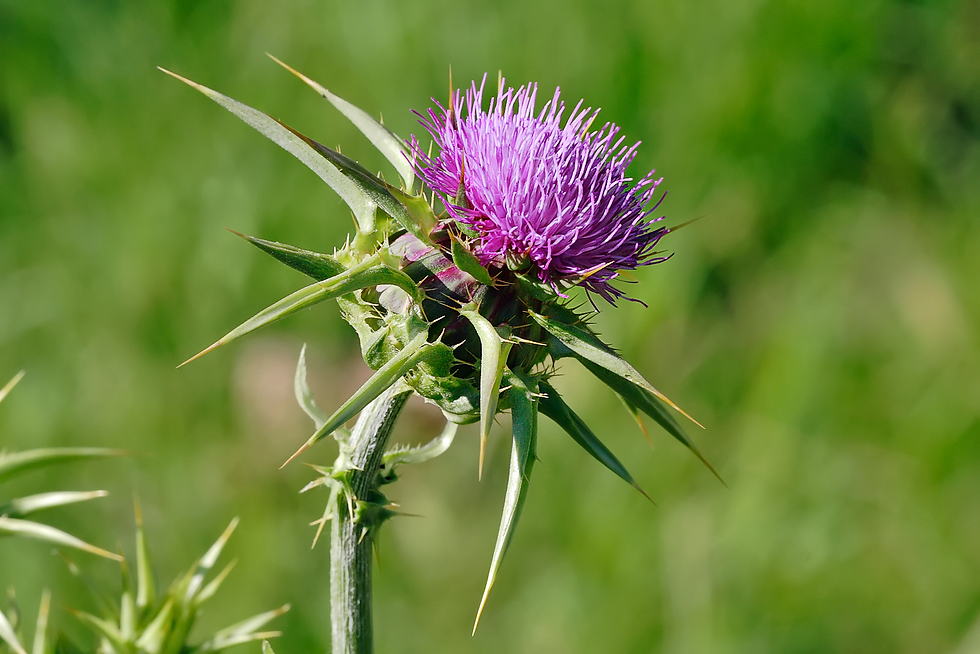
Large glossy leaves marbled with white veins: These distinctive leaves can grow up to 30 centimeters long and are not only visually striking but also contribute to the plant's ability to photosynthesize efficiently. The white veins contrast sharply with the deep green of the leaf, creating an eye-catching appearance that is easily recognizable.
Sharp protective spines along leaf margins: The edges of the leaves are adorned with sharp spines that serve as a defense mechanism against herbivores, ensuring the plant's survival in its native habitats. These spines can deter animals from grazing on the leaves, allowing the plant to flourish.
Brilliant purple thistle flowers: The flowers of Milk Thistle are not only beautiful but also play a crucial role in attracting pollinators such as bees and butterflies. The vibrant purple color stands out in the landscape, making it a favorite among gardeners and herbalists alike. Each flower head can contain numerous individual florets, contributing to its overall visual impact.
Shiny black seeds tipped with white tufts: The seeds of Milk Thistle are uniquely adapted for dispersal. The white tufts act like parachutes, allowing the seeds to be carried by the wind over considerable distances, thus promoting the spread of the plant to new areas.
According to Christian folklore, the white markings on the leaves were formed by drops of the Virgin Mary's milk, which is a fascinating tale that adds cultural significance to the plant. This legend not only gives rise to the common name "Milk Thistle" but also to the botanical species name marianum, linking the plant to historical and religious narratives that have persisted through the ages.
The seeds of Milk Thistle contain a unique complex of flavonolignans collectively known as silymarin. This powerful compound is responsible for most of Milk Thistle's medicinal effects, particularly in promoting liver health and protecting against toxins. Silymarin has been extensively studied for its antioxidant properties and its role in liver regeneration, making it a popular choice in herbal medicine. The extraction and use of silymarin from Milk Thistle seeds have become a significant aspect of herbal therapies, highlighting the plant's importance in both traditional and modern medicine.
📜 History & Traditional Uses
Ancient Greek & Roman Medicine
Milk Thistle has a rich history of medicinal use that spans over 2,000 years, making it one of the oldest herbal remedies documented in ancient texts. This remarkable plant was highly regarded by ancient physicians, who recognized its potential benefits for various health conditions, particularly those affecting the liver.
Among the ailments treated with Milk Thistle, ancient practitioners often turned to it for:
Liver complaints: Physicians believed that Milk Thistle could alleviate a range of liver-related issues, including inflammation and dysfunction, which were often attributed to poor diet or environmental factors.
Jaundice: This condition, characterized by yellowing of the skin and eyes due to excess bilirubin, was commonly treated with Milk Thistle as it was thought to help restore normal liver function and promote detoxification.
Bile stagnation: Ancient healers recognized the importance of bile in digestion and believed that Milk Thistle could aid in the flow of bile, thereby improving digestive health and alleviating symptoms associated with bile stagnation.
Digestive weakness: Milk Thistle was also used to support overall digestive health, particularly in individuals suffering from weak digestive systems, which could manifest as bloating, gas, and discomfort after meals.
Melancholy associated with liver dysfunction: It was believed that emotional states could be linked to physical health, and thus, Milk Thistle was sometimes recommended for those experiencing melancholy or depression that was thought to stem from liver issues.
European Herbalism
As the centuries progressed into the Middle Ages and Renaissance, Milk Thistle solidified its reputation as a respected remedy for liver ailments across Europe. Herbalists and physicians of the time began to compile extensive herbal texts that documented the uses of various plants, and Milk Thistle featured prominently in these works.
Traditional indications for Milk Thistle during this period included:
"Obstructions of the liver": Practitioners believed that Milk Thistle could help clear blockages in the liver, thereby promoting better organ function and overall health.
Congestion of the spleen: This herb was also utilized to address issues related to spleen health, as it was thought to support the spleen's role in blood filtration and immune function.
Digestive torpor: Milk Thistle was recognized for its ability to invigorate sluggish digestion, making it a popular choice for those suffering from digestive lethargy.
Poisonings: The plant was historically used as an antidote for various types of poisoning, particularly those affecting the liver, reinforcing its role as a protective herb.
Recovery after illness: Following illness, Milk Thistle was often recommended to support the body’s recovery processes, particularly in restoring liver function and vitality.
Eclectic & Modern Herbalism
In contemporary herbalism, Milk Thistle has gained recognition as one of the premier liver-supportive herbs globally. Modern herbalists, researchers, and health practitioners have extensively studied its active compounds, particularly silymarin, which is believed to be responsible for many of its beneficial effects on liver health.
Today, Milk Thistle is widely used for a variety of purposes, including:
Hepatic protection: It is valued for its ability to protect liver cells from damage caused by toxins, alcohol, and other harmful substances.
Liver regeneration: Research suggests that Milk Thistle may promote the regeneration of liver cells, making it an important herb for those recovering from liver-related illnesses.
Metabolic support: The herb is thought to aid in metabolic processes, particularly those related to fat metabolism and detoxification pathways.
Recovery from toxic exposure: Milk Thistle is often recommended for individuals who have been exposed to environmental toxins, heavy metals, or pharmaceuticals, as it may help facilitate detoxification.
Long-term liver maintenance: Many health-conscious individuals incorporate Milk Thistle into their daily regimen as a preventive measure to support liver health over the long term.
Few herbs have garnered as much scientific attention and validation regarding their role in supporting liver health as Milk Thistle. Its historical significance and ongoing relevance in both traditional and modern herbal practices underscore its enduring legacy as a powerful ally for liver health and overall well-being.
🩺 Medicinal Actions & Indications
🛡️ 1. Hepatoprotective (Primary Use)
Milk Thistle is best known for its extraordinary ability to protect liver cells from a variety of harmful substances and conditions. This remarkable herb has been utilized for centuries in traditional medicine, and modern research has validated many of its protective properties, particularly regarding liver health.
It helps to:
Stabilize liver cell membranes: Milk Thistle contains a powerful compound called silymarin, which plays a crucial role in reinforcing the structural integrity of liver cell membranes. By doing so, it helps to prevent the entry of harmful substances and toxins, thereby maintaining the overall health of hepatocytes, the primary cells of the liver.
Reduce toxin penetration into hepatocytes: The herb acts as a barrier against various toxins, including those from environmental pollutants, medications, and dietary sources. By limiting the absorption of these harmful agents, Milk Thistle allows the liver to function more effectively, reducing the risk of cellular damage and promoting detoxification processes.
Minimize oxidative damage: Oxidative stress is a significant factor in liver disease, and Milk Thistle is rich in antioxidants that combat free radicals. These antioxidants help to neutralize oxidative stress and prevent cellular damage, ultimately supporting liver health and functionality.
Support liver resilience under stress: The liver is often subjected to various stressors, including toxins, metabolic demands, and inflammatory processes. Milk Thistle enhances the liver's ability to cope with these challenges, promoting recovery and resilience, which is vital for maintaining optimal liver function over time.
Indicated for:
Environmental toxin exposure: Individuals living in areas with high levels of pollution or those who are frequently exposed to hazardous chemicals can benefit from Milk Thistle, as it helps to mitigate the adverse effects of these environmental toxins on liver health.
Medication-related liver stress: Certain medications can place significant stress on the liver, leading to potential damage or dysfunction. Milk Thistle is often recommended as a supportive measure for those undergoing long-term medication regimens, helping to protect the liver from adverse effects.
Alcohol-related liver burden: Chronic alcohol consumption can lead to liver inflammation and damage. Milk Thistle has been shown to provide protective effects against alcohol-induced liver injury, making it a valuable supplement for individuals seeking to support their liver health in the context of alcohol use.
Chemical exposure: People who work in industries where they are exposed to chemicals, such as manufacturing or agriculture, may find Milk Thistle beneficial. Its hepatoprotective properties can help counteract the effects of chemical exposure on liver function.
General hepatic protection: For those looking to maintain overall liver health, Milk Thistle serves as an excellent preventive measure. It can be incorporated into a wellness routine to support the liver's vital functions and promote longevity.
Milk Thistle is often considered one of the most important liver-protective herbs ever studied. Its extensive range of benefits makes it a staple in herbal medicine, and ongoing research continues to uncover new insights into its therapeutic potential for liver health and beyond. As awareness of liver health grows, the use of Milk Thistle is likely to become increasingly popular among those seeking natural ways to enhance their well-being and protect this vital organ.
🌿 2. Hepatorestorative & Regenerative
Unlike many herbs that merely support liver function, Milk Thistle stands out due to its remarkable ability to actively assist in the regeneration of damaged liver tissue. This unique characteristic has made it a focal point of interest in both traditional herbal medicine and modern scientific research.
Milk Thistle contains a powerful active compound called silymarin, which is primarily responsible for its hepatoprotective effects. Silymarin is a complex of flavonolignans that not only protects the liver from toxins but also plays a crucial role in promoting the healing and regeneration of liver cells.
It helps to:
Stimulate protein synthesis within liver cells, which is essential for the formation of new cellular structures and the repair of damaged tissues. This process is vital for maintaining the overall health and functionality of the liver.
Promote hepatocyte regeneration, the liver cells that are crucial for detoxification and metabolic processes. By encouraging the growth and division of these cells, Milk Thistle aids in restoring the liver's capacity to carry out its numerous functions efficiently.
Enhance recovery after injury, whether due to toxins, alcohol consumption, or viral infections. The regenerative properties of Milk Thistle can significantly shorten recovery times and improve the prognosis for individuals with liver damage.
Support restoration of normal liver function, allowing the liver to perform its essential roles in digestion, metabolism, and detoxification more effectively. This restoration is critical for overall health and well-being, as the liver plays a central role in maintaining bodily homeostasis.
Indicated for:
Recovery after hepatitis, where the liver has been compromised by viral infections. Milk Thistle can assist in repairing the liver's structure and function following such an assault.
Chronic liver congestion, which can result from a variety of factors including poor diet and lifestyle choices. This herb can help alleviate the symptoms and promote better liver health.
Long-standing liver weakness, often characterized by fatigue and metabolic issues. Milk Thistle can provide the necessary support to revitalize the liver's functions.
Fatty liver patterns, which involve the accumulation of fat in liver cells. Milk Thistle has been shown to help reduce fat buildup and promote healthier liver tissue.
Hepatic exhaustion, a condition where the liver becomes overwhelmed by toxins and unable to function optimally. The restorative properties of Milk Thistle can help rejuvenate the liver and restore its vitality.
This regenerative action is one of Milk Thistle's most celebrated characteristics, making it a valuable ally in the quest for liver health. Its ability to not only protect but also heal and restore the liver sets it apart from other herbal remedies, providing a holistic approach to liver care that is both effective and natural. As research continues, the full extent of Milk Thistle's benefits for liver health and overall wellness is becoming increasingly recognized, solidifying its place in both herbal and conventional medicine.
🔥 3. Anti-Inflammatory & Antioxidant
The liver is particularly vulnerable to oxidative stress and chronic inflammation, which can lead to a range of health problems. This vital organ plays a crucial role in detoxification, metabolism, and the synthesis of essential proteins. When the liver is under constant attack from free radicals and inflammatory processes, its ability to function optimally can be severely compromised, leading to conditions such as fatty liver disease, cirrhosis, and even liver cancer.
Milk Thistle has gained recognition in recent years for its protective effects on the liver. It contains a powerful active compound known as silymarin, which is known for its strong antioxidant properties. This compound is instrumental in helping to:
Neutralize free radicals: Free radicals are unstable molecules that can cause significant cellular damage, leading to oxidative stress. Silymarin acts as a potent scavenger of these free radicals, thereby reducing their harmful effects on liver cells and promoting cellular health.
Reduce inflammatory damage: Chronic inflammation in the liver can result from various factors, including alcohol consumption, obesity, and viral infections. Milk Thistle has been shown to modulate inflammatory pathways, helping to alleviate inflammation and protect the liver from further damage.
Protect cellular structures: The liver is composed of delicate cellular structures that can be easily damaged by toxins and oxidative stress. Milk Thistle supports the integrity of these structures by enhancing the production of proteins that help repair and regenerate liver cells, ensuring that the liver remains functional and effective in its various roles.
Improve overall metabolic resilience: By promoting liver health, Milk Thistle contributes to better metabolic function. This includes improved insulin sensitivity and enhanced lipid metabolism, which are crucial for maintaining a healthy weight and preventing metabolic disorders.
Milk Thistle is particularly indicated for individuals suffering from:
Chronic inflammatory states: Conditions characterized by persistent inflammation can lead to serious health issues over time. By incorporating Milk Thistle into a wellness regimen, individuals may find relief from symptoms associated with chronic inflammation.
Metabolic syndrome: This cluster of conditions, including hypertension, high blood sugar, and abnormal cholesterol levels, significantly increases the risk of heart disease and diabetes. Milk Thistle may help mitigate some of these risks by supporting liver function, which is vital for metabolic health.
Fatty liver conditions: Non-alcoholic fatty liver disease (NAFLD) and alcoholic liver disease are both conditions that can lead to severe liver dysfunction. Milk Thistle has been shown to help reduce liver fat content and improve liver enzyme levels, promoting better overall liver health.
Long-term toxin exposure: Individuals exposed to environmental toxins, heavy metals, or those who consume a diet high in processed foods may benefit from Milk Thistle's detoxifying properties. It aids the liver in processing and eliminating these harmful substances more effectively.
Its antioxidant capacity extends beyond the liver and benefits the entire body. By reducing oxidative stress throughout the system, Milk Thistle may contribute to improved cardiovascular health, enhanced immune function, and even better skin health. As a versatile herbal remedy, it supports not only liver health but also promotes overall well-being, making it a valuable addition to a health-conscious lifestyle.
💧 4. Cholagogue & Biliary Support
Milk Thistle is renowned for its ability to support the liver and gallbladder, playing a crucial role in promoting healthy bile production and facilitating its movement throughout the digestive system. Bile, a substance produced by the liver, is essential for the digestion and absorption of fats, as well as for the elimination of certain waste products from the body. By enhancing the flow of bile, Milk Thistle aids in optimizing the digestive process.
It helps to:
Improve bile flow: By stimulating the liver and gallbladder to produce and release bile more effectively, Milk Thistle ensures that fats are emulsified and broken down properly, which is vital for their absorption in the intestines. This improved bile flow can lead to a more efficient digestive process overall.
Support fat digestion: With enhanced bile production, the body is better equipped to digest fats. This is particularly beneficial for individuals who consume higher amounts of dietary fats, as it allows for better nutrient absorption and can help prevent digestive discomfort associated with fatty meals.
Reduce biliary stagnation: Biliary stagnation occurs when bile is not adequately moved through the bile ducts, potentially leading to gallstones and other digestive issues. Milk Thistle's cholagogue properties help to alleviate this stagnation, promoting a smoother flow of bile and reducing the risk of complications associated with gallbladder health.
Enhance digestive efficiency: By ensuring that bile is produced and released in a timely manner, Milk Thistle contributes to overall digestive efficiency. This not only aids in the breakdown of fats but also supports the absorption of fat-soluble vitamins, such as A, D, E, and K, which are essential for various bodily functions.
Indicated for:
Sluggish digestion: Individuals experiencing slow or inefficient digestion may find relief through the use of Milk Thistle, which can help stimulate bile production and improve the overall digestive process.
Gallbladder congestion: Those suffering from gallbladder congestion can benefit from Milk Thistle's ability to promote bile flow, potentially alleviating discomfort and reducing the risk of gallbladder-related complications.
Fat intolerance: For individuals who struggle with digesting fatty foods, Milk Thistle can provide support by enhancing bile production, making it easier for the body to handle fat intake without discomfort.
Post-meal heaviness: Many people experience a feeling of fullness or heaviness after meals, particularly after consuming rich or fatty foods. Milk Thistle may help mitigate these symptoms by promoting better bile flow and digestion, leading to a more comfortable post-meal experience.
This action contributes significantly to its traditional reputation as a digestive remedy, making Milk Thistle a valuable addition to the regimen of those seeking to enhance their digestive health. Its natural properties not only support liver function but also promote a harmonious balance within the biliary system, underscoring its importance in holistic health practices.
🩸 5. Alterative & Metabolic Tonic
Milk Thistle is renowned for its ability to support the body's natural detoxification pathways. This remarkable herb has been utilized for centuries in traditional medicine, particularly within herbalist practices, due to its profound effects on liver health and overall metabolic function. The active compound, silymarin, found in Milk Thistle is primarily responsible for its therapeutic properties, offering a range of benefits that promote the body’s ability to cleanse and rejuvenate itself.
In detail, Milk Thistle helps to:
Improve metabolic processing: By enhancing liver function, Milk Thistle plays a crucial role in the metabolism of fats, carbohydrates, and proteins. This improvement in metabolic processing can lead to better energy levels and more efficient nutrient absorption, which is essential for maintaining overall health and vitality.
Support elimination of waste products: The liver is a vital organ responsible for filtering toxins and waste from the bloodstream. Milk Thistle aids in this elimination process, ensuring that harmful substances are efficiently processed and expelled from the body, thereby reducing the risk of toxicity and promoting a healthier internal environment.
Enhance systemic resilience: By fortifying the liver and supporting detoxification, Milk Thistle contributes to enhanced systemic resilience. This means that the body is better equipped to handle stressors, whether they are environmental toxins, dietary indiscretions, or other health challenges, leading to improved overall well-being.
Reduce toxic burden: In a world where we are constantly exposed to various pollutants and chemicals, Milk Thistle serves as a protective ally. It helps to reduce the toxic burden on the body, allowing for a more balanced and harmonious state. This reduction in toxicity can lead to clearer skin, improved digestion, and heightened energy levels.
Milk Thistle is indicated for a variety of health concerns, including:
Metabolic sluggishness: Individuals experiencing fatigue, weight gain, or sluggish digestion may benefit from Milk Thistle’s ability to stimulate liver function and improve metabolic efficiency.
Chronic inflammatory skin conditions: Conditions such as eczema or psoriasis can often be linked to liver health. By promoting detoxification and reducing inflammation, Milk Thistle may help alleviate these skin issues.
Long-term environmental exposure: Those who have been exposed to harmful substances, whether through occupational hazards or pollution, can find solace in Milk Thistle’s protective and restorative properties, helping to mitigate the effects of such exposures.
Recovery after illness: After experiencing illness, the body often requires additional support to regain its strength and vitality. Milk Thistle can aid in the recovery process by enhancing liver function and supporting overall metabolic health.
Traditional herbalists often considered the liver as central to overall vitality and well-being, making Milk Thistle a foundational constitutional herb in many herbal practices. Its reputation as a powerful alterative and metabolic tonic underscores its importance in holistic health, emphasizing the interconnectedness of liver health and systemic wellness. Incorporating Milk Thistle into one's regimen can serve as a proactive measure in maintaining optimal health, particularly in a modern world rife with challenges to our natural detoxification systems.
🧠 6. Nervous System & Cognitive Support
Emerging research suggests that Milk Thistle may provide indirect support to the nervous system through its potent antioxidant activity. This activity is crucial in combating free radicals, which are unstable molecules that can cause oxidative stress and damage to cells, including those in the nervous system. By mitigating this oxidative damage, Milk Thistle may play a significant role in maintaining cognitive health and overall neurological function.
Milk Thistle helps to:
Reduce oxidative stress: Oxidative stress is a condition characterized by an imbalance between free radicals and antioxidants in the body. Milk Thistle's antioxidant properties can help neutralize free radicals, thereby reducing the risk of neurodegenerative diseases and promoting brain health.
Support healthy circulation: Good circulation is vital for delivering essential nutrients and oxygen to brain cells. Milk Thistle may enhance blood flow, ensuring that the brain receives adequate nourishment, which is essential for optimal cognitive function and mental clarity.
Protect cellular integrity: The cellular membranes of neurons are particularly vulnerable to damage from oxidative stress. Milk Thistle may help protect these membranes, thus preserving the integrity and functionality of neurons, which is critical for effective communication within the nervous system.
Promote long-term resilience: By supporting the body's natural defense mechanisms against oxidative damage, Milk Thistle may contribute to long-term resilience in the nervous system. This resilience can be particularly beneficial as individuals age, helping to maintain cognitive functions and reduce the risk of age-related cognitive decline.
Indicated for:
Age-related oxidative burden: As people age, the accumulation of oxidative stress can lead to various cognitive impairments. Milk Thistle may help mitigate these effects, providing support for maintaining mental acuity and overall brain health.
Recovery from chronic illness: Individuals recovering from chronic illnesses often experience heightened oxidative stress. Milk Thistle's antioxidant properties can aid in recovery by supporting the nervous system and enhancing overall health during the healing process.
General healthy aging protocols: Incorporating Milk Thistle into a regimen focused on healthy aging can provide additional support for cognitive function, helping to ensure that mental faculties remain sharp and resilient throughout the aging process.
Though the neuroprotective effects of Milk Thistle are secondary to its well-documented hepatic benefits, this area of research continues to attract significant scientific interest. Studies are ongoing to better understand the mechanisms by which Milk Thistle may influence the nervous system, and future findings may further elucidate its potential as a supportive agent for cognitive health and neurological resilience. As our understanding of the relationship between antioxidants and brain health evolves, Milk Thistle may emerge as a valuable component in strategies aimed at promoting long-term cognitive well-being.
🔬 Chemical Constituents
Silymarin Complex
The primary active complex found in Milk Thistle, known as silymarin, is a potent blend of various flavonolignans that contribute significantly to its therapeutic properties. This complex is composed of several key constituents, each playing a vital role in the overall efficacy of Milk Thistle in promoting liver health and providing antioxidant benefits.
Silibinin (Silybin) – This compound is recognized as the principal hepatoprotective constituent of Milk Thistle. Extensive research has demonstrated its ability to protect liver cells from damage caused by toxins, alcohol, and various diseases. Silibinin functions by stabilizing cell membranes, enhancing protein synthesis, and promoting the regeneration of liver tissues. Its antioxidant properties further help in scavenging free radicals, thereby reducing oxidative stress within the liver.
Silychristin – This component contributes to the overall therapeutic effects of silymarin, particularly in enhancing liver function. Silychristin has been shown to possess anti-inflammatory properties, which may aid in reducing liver inflammation and promoting a healthier hepatic environment.
Silydianin – Another significant member of the silymarin complex, silydianin is known for its role in supporting liver detoxification processes. It may assist in the modulation of liver enzymes and promote bile production, which is essential for the digestion and absorption of fats.
In addition to these primary constituents, Milk Thistle contains a variety of other important chemical compounds that contribute to its health benefits. These include:
Flavonoids – These are a diverse group of phytonutrients with strong antioxidant properties. Flavonoids in Milk Thistle help protect the liver from oxidative damage and may enhance the overall antioxidant capacity of the body.
Polyphenols – Similar to flavonoids, polyphenols are known for their antioxidant capabilities. They play a crucial role in combating inflammation and may help in reducing the risk of chronic diseases associated with oxidative stress.
Fatty acids – Milk Thistle contains essential fatty acids that contribute to maintaining cellular integrity and may support overall metabolic health.
Tocopherols – These compounds, particularly vitamin E, act as antioxidants and are vital for protecting cell membranes from oxidative damage, thus supporting liver health.
Phytosterols – These plant-derived compounds are known to help lower cholesterol levels and may also contribute to the anti-inflammatory effects of Milk Thistle.
Among all these constituents, silibinin stands out as the most biologically active compound. Its effectiveness in promoting liver health has earned Milk Thistle a prominent place in herbal medicine. Research continues to explore the full range of benefits provided by the various components of Milk Thistle, solidifying its reputation as a powerful liver restorative and a valuable ally in the quest for improved health.
⚗️ Preparations & Dosage
Milk Thistle's effectiveness is significantly enhanced when utilizing standardized extracts, which ensure a consistent concentration of active compounds, primarily silymarin, that contribute to its therapeutic effects.
Standardized Extract
The recommended dosage for standardized extracts typically ranges from 150 to 300 mg per day. This dosage can be divided into 1 to 3 doses throughout the day to maintain optimal levels of silymarin in the body.
It is crucial that these extracts are standardized to contain 70–80% silymarin, the key active ingredient responsible for Milk Thistle's health benefits, including its antioxidant and anti-inflammatory properties.
Tincture (1:5)
For those preferring liquid forms, a tincture of Milk Thistle, prepared at a ratio of 1:5, is available. The recommended dosage is typically between 2 to 5 mL taken up to 3 times daily. This method of preparation allows for quick absorption and may be more suitable for individuals who have difficulty swallowing pills.
Ground Seed
Another popular preparation involves using the ground seeds of the Milk Thistle plant. A daily intake of 1 to 2 teaspoons is advised, which can be easily incorporated into various foods, smoothies, or even encapsulated for convenience. This method allows individuals to benefit from the whole seed while also enjoying its nutty flavor.
Capsules
For those who prefer a more traditional supplement format, Milk Thistle is also available in capsule form. A typical dosage ranges from 250 to 600 mg daily, depending on individual health needs and the specific product formulation. Capsules can offer a more controlled and precise dosage, making them a convenient option for many users.
Long-term use of Milk Thistle is quite common among individuals seeking to support their liver health and overall well-being. Most studies indicate that it is generally safe for prolonged use, with few adverse effects reported. However, as with any supplement, it is advisable to consult with a healthcare professional before beginning any new regimen, especially for those with pre-existing health conditions or those taking other medications. By following recommended dosages and preparation methods, individuals can effectively harness the full benefits of Milk Thistle in their daily health routines.
⚠️ Contraindications & Safety
Milk Thistle is widely regarded as one of the safest medicinal herbs available for use in various health applications. Its long history of use in traditional medicine, particularly for liver health, has contributed to its reputation as a gentle yet effective herbal remedy. However, like any herbal supplement, it is essential to be aware of specific contraindications and safety considerations to ensure optimal health outcomes.
When considering the use of Milk Thistle, it is advisable to exercise caution in the following circumstances:
Individuals with allergies to Asteraceae plants: Milk Thistle belongs to the Asteraceae family, which also includes other plants such as ragweed, chrysanthemums, marigolds, and daisies. People who have a known allergy to any of these plants may experience allergic reactions when consuming Milk Thistle. Symptoms can range from mild skin irritations to severe anaphylactic reactions, so it is crucial for these individuals to consult a healthcare provider before using this herb.
Those taking medications metabolized by the liver: Milk Thistle has been shown to influence liver enzymes that play a role in drug metabolism. As a result, individuals on medications that are processed by the liver should proceed with caution. This includes a wide range of pharmaceutical drugs such as anticoagulants, statins, and certain antidepressants. It is strongly recommended that individuals in this category discuss their use of Milk Thistle with a healthcare professional to avoid potential interactions that could alter the effectiveness of their medications.
Certain hormone-sensitive conditions: Milk Thistle may have estrogenic effects, which can be a concern for individuals with hormone-sensitive conditions such as breast cancer, uterine cancer, or endometriosis. Due to the potential for hormone modulation, it is essential for individuals with these conditions to consult a qualified healthcare practitioner before incorporating Milk Thistle into their regimen to ensure it is safe and appropriate for their specific health situation.
While Milk Thistle is generally well-tolerated, potential side effects may occur in some individuals. These side effects can include:
Mild digestive upset: Some users may experience gastrointestinal discomfort, which can manifest as nausea, stomach cramps, or general unease in the digestive tract. This is often temporary and may resolve as the body adjusts to the supplement.
Loose stool: Another common side effect is the occurrence of loose stools or diarrhea, which can be attributed to the herb's influence on digestive processes. Individuals who are sensitive to changes in their gastrointestinal function should monitor their response to Milk Thistle closely.
Bloating: Bloating or a sensation of fullness in the abdomen may also be reported by some users. This can be uncomfortable but is typically not serious and may subside with continued use or adjustment of dosage.
It is important to note that serious adverse effects from Milk Thistle are quite rare. Most individuals can use this herbal supplement without encountering significant health issues. In fact, Milk Thistle is frequently used for extended periods, often as part of a broader treatment plan for liver health, detoxification, or general wellness, without raising substantial safety concerns. Nevertheless, as with any health supplement, it is advisable to consult with a healthcare professional, particularly for individuals with pre-existing health conditions or those who are pregnant or breastfeeding. This ensures that the use of Milk Thistle is both safe and beneficial in the context of individual health needs and circumstances.
🌿 Synergistic Pairings
With Dandelion Root
Comprehensive liver and gallbladder support: The combination of Milk Thistle and Dandelion Root offers a holistic approach to enhancing liver and gallbladder health. Dandelion Root is known for its ability to stimulate bile production, which aids in digestion and the elimination of toxins. Together, these herbs promote the detoxification process, helping to clear harmful substances from the body while supporting the liver’s regenerative capabilities. This synergistic pairing can also alleviate issues related to bile flow and improve overall digestive health, making it a valuable addition to any wellness regimen focused on liver support.
With Schisandra
Enhanced liver protection and adaptogenic benefits: The fusion of Milk Thistle with Schisandra creates a powerful combination that not only protects the liver from damage but also enhances the body's ability to adapt to stress. Schisandra, often referred to as a "five-flavor fruit," is renowned for its adaptogenic properties, helping to balance the body's stress response. When paired with Milk Thistle, which is rich in silymarin—a compound known for its hepatoprotective effects—this duo works synergistically to promote liver health while also supporting mental clarity and resilience in the face of everyday challenges.
With Turmeric
Powerful anti-inflammatory and hepatic synergy: The combination of Milk Thistle and Turmeric creates a potent blend that is particularly beneficial for those seeking to reduce inflammation in the body while supporting liver function. Turmeric contains curcumin, a compound celebrated for its strong anti-inflammatory and antioxidant properties. When used alongside Milk Thistle, the two herbs enhance each other’s effects, providing a comprehensive approach to liver health by protecting liver cells from oxidative stress and promoting healthy liver enzyme levels. This synergy not only supports liver detoxification but also contributes to overall wellness by reducing systemic inflammation.
With Burdock Root
Traditional detoxification and alterative support: The pairing of Milk Thistle with Burdock Root is steeped in traditional herbal practices, where both herbs are revered for their detoxifying properties. Burdock Root is known for its ability to purify the blood and support the elimination of toxins through the skin and kidneys. Together with Milk Thistle, which fortifies liver health, this combination enhances the body’s natural detoxification pathways. This synergistic relationship is particularly beneficial for individuals seeking to cleanse their systems, as it encourages the removal of impurities while also nourishing and supporting liver function.
With Artichoke
Improved bile flow and digestion: When Milk Thistle is combined with Artichoke, the result is a remarkable enhancement in digestive health and bile production. Artichoke is known for its ability to stimulate bile flow, which is essential for the digestion of fats and the absorption of fat-soluble vitamins. This pairing not only aids in digestion but also supports liver health by ensuring that bile is efficiently produced and excreted. The synergistic effects of these two herbs can lead to improved digestive comfort, reduced bloating, and enhanced nutrient absorption, making it an excellent choice for those looking to optimize their digestive processes.
With Yellow Dock
Supports elimination and metabolic clearance: The combination of Milk Thistle and Yellow Dock is particularly effective for individuals aiming to enhance their body's elimination processes. Yellow Dock is known for its mild laxative properties and its ability to stimulate digestion, making it an excellent partner for Milk Thistle, which focuses on liver health. Together, they support metabolic clearance by promoting regular bowel movements and aiding in the detoxification of waste products. This synergistic relationship not only helps in maintaining digestive health but also supports overall metabolic function, ensuring that the body efficiently processes and eliminates toxins.
With Reishi
Long-term constitutional and liver support: The pairing of Milk Thistle with Reishi mushroom creates a robust foundation for long-term health, particularly concerning liver function and overall vitality. Reishi is known for its immune-boosting properties and ability to promote relaxation and resilience against stress. When combined with Milk Thistle, which protects and regenerates liver cells, this duo provides comprehensive support for both liver health and the immune system. This synergy is especially beneficial for individuals looking to enhance their overall well-being while ensuring that their liver remains healthy and functional over time, making it a valuable addition to any wellness routine.
🔮 Spiritual & Esoteric Lore
Milk Thistle, scientifically known as Silybum marianum, is a remarkable herb that carries a rich tapestry of energetic signatures, embodying the profound qualities of protection, resilience, purification, and regeneration. This plant is revered not only for its medicinal properties but also for its spiritual significance across various cultures and traditions. Its unique characteristics and historical uses have woven it into the fabric of esoteric practices, where it is often seen as a powerful ally in both physical and spiritual realms.
Energetic Themes
Defending against harmful influences: Milk Thistle is believed to create a shield against negative energies and toxic environments, allowing individuals to navigate through life with a sense of safety and security.
Recovery after adversity: The herb is often associated with the process of healing and rebirth, symbolizing the journey of overcoming challenges and emerging stronger and more resilient than before.
Rebuilding damaged structures: Just as the plant thrives in harsh conditions, it serves as a metaphor for restoration and renewal, encouraging individuals to reconstruct their lives and environments after experiencing turmoil.
Strengthening inner resilience: Milk Thistle inspires a deep-seated strength that resides within, fostering the ability to withstand life's trials while maintaining a sense of hope and determination.
Doctrine of Signatures
White-veined leaves
The distinct white veins of Milk Thistle's leaves symbolize purification, nourishment, and divine protection. These veins are thought to channel the plant's life force, acting as conduits for healing energy that can cleanse both the physical body and the spirit.
Sharp protective spines
The sharp spines that adorn the edges of Milk Thistle's leaves reflect strong boundaries, serving as a natural defense mechanism against external threats. This physical characteristic is interpreted as a reminder to cultivate personal boundaries, protecting one’s energy and emotional well-being from intrusion and negativity.
Deep taproot
The deep taproot of the Milk Thistle symbolizes endurance, stability, and the ability to draw strength from deep reserves. This root system allows the plant to thrive in challenging environments, mirroring the human capacity to find inner strength and stability even in the face of adversity.
Purple flowers
The vibrant purple flowers of Milk Thistle are associated with transformation, healing, and spiritual maturity. Their color is often linked to the crown chakra, representing spiritual awakening and enlightenment, further enhancing the plant’s role as a facilitator of growth and personal evolution.
Magical Associations
Element: Earth
Planet: Jupiter / Saturn
Traditionally associated with:
Protection from toxicity: Milk Thistle is believed to offer a protective barrier against both physical and energetic toxins, making it a staple in cleansing rituals.
Strengthening personal boundaries: The plant is often used in spells and practices aimed at reinforcing one’s personal space and emotional integrity.
Recovery after hardship: Its association with healing makes it a powerful ally for those recovering from trauma or difficult life experiences.
Physical and spiritual purification: Milk Thistle is celebrated for its purifying properties, both in herbal medicine and spiritual practices, helping to cleanse the body and spirit.
Long-term vitality and resilience: The herb is seen as a symbol of longevity and enduring strength, encouraging individuals to cultivate a lifestyle that promotes health and well-being.
Milk Thistle is often viewed as a plant that teaches the delicate balance of remaining open-hearted while maintaining strong protective boundaries. It embodies the wisdom of embracing vulnerability without sacrificing one’s safety, making it a vital component in the journey of self-discovery and spiritual exploration. Through its various attributes and associations, Milk Thistle continues to inspire those who seek to harness its powerful energies for personal growth and spiritual enlightenment.
✅ Final Thoughts
Milk Thistle is one of the world's premier herbs for:
Liver protection
Liver regeneration
Hepatic congestion
Metabolic sluggishness
Oxidative stress
Long-term constitutional support
Its remarkable ability to protect, repair, and strengthen liver tissue has earned it a reputation unmatched in modern herbal medicine.
Where toxins accumulate, Milk Thistle protects. Where damage has occurred, it promotes renewal. And where the body's central metabolic engine has become overburdened, it helps restore balance, resilience, and vitality.
A true guardian of the liver, Milk Thistle stands among the most important restorative herbs in the modern materia medica.


Comments