
🌿 Plant Profile - Olive (Olea europaea)

🌿 Olive
Botanical Name: Olea europaea
Family: Oleaceae
Common Names: Olive, European Olive, Common Olive, Sweet Olive Tree
Parts Used: Leaves, fruit (olives), olive oil (cold-pressed extra virgin), occasionally bark
Energetics: Cooling, slightly drying (leaf), moistening and nourishing (oil), mildly bitter
Tissue States: Heat, inflammation, cardiovascular tension, oxidative stress, metabolic excess, arterial dryness, chronic low-grade infection
Primary Actions: Cardiotonic, hypotensive, antioxidant, anti-inflammatory, antimicrobial, antiviral, immunomodulator, hypoglycemic, lipid-modulating, nutritive tonic
🌱 Botanical Description of Olive
The olive is a long-lived evergreen tree that has captured the hearts and minds of cultures for millennia. This remarkable tree is native to a variety of regions, primarily found in:
The eastern Mediterranean, where it has flourished for thousands of years, forming a crucial part of the region's agricultural heritage.
Greece, where olives are integral to the local diet and economy, and where ancient olive groves still thrive.
Turkey, which boasts a rich history of olive cultivation and is home to many indigenous varieties.
Syria, where the olive tree has been revered for its oil and fruit, both of which are staples in traditional cuisine.
Palestine, where olive trees symbolize resilience and cultural identity, often referred to as the "tree of life."
Coastal regions of North Africa, where the climate and soil conditions are ideal for olive cultivation, contributing to local economies.
Today, the olive tree is cultivated extensively across the globe, adapting to various climates and soils. Its cultivation has expanded to include:
Southern Europe, particularly in countries such as Spain and Italy, where the olive oil industry is a significant economic driver.
California, where the Mediterranean climate allows for the successful growth of various olive varieties, contributing to the state's agricultural diversity.
South America, where olive farming has gained popularity, with countries like Argentina and Chile producing high-quality olive oil.
Australia, where olive cultivation is a burgeoning industry, with many growers experimenting with different cultivars to adapt to local conditions.
South Africa, which has seen a rise in olive farming, capitalizing on its Mediterranean-like climate to produce premium olives and olive oil.
The Middle East, where the olive tree holds cultural significance and continues to be a staple in local diets.
This resilient tree thrives in specific environmental conditions, which include:
Dry Mediterranean climates, characterized by hot, dry summers and mild, wet winters, which are ideal for olive cultivation.
Rocky hillsides, where the tree's extensive root system can anchor itself in challenging terrain, allowing it to access water and nutrients.
Limestone soils, which provide excellent drainage and are rich in minerals that promote healthy growth.
Full sun, as olive trees require plenty of sunlight to produce their fruit and thrive.
Well-drained terrain, essential for preventing root rot and ensuring the longevity of the tree.
Key identifying features of the olive tree include:
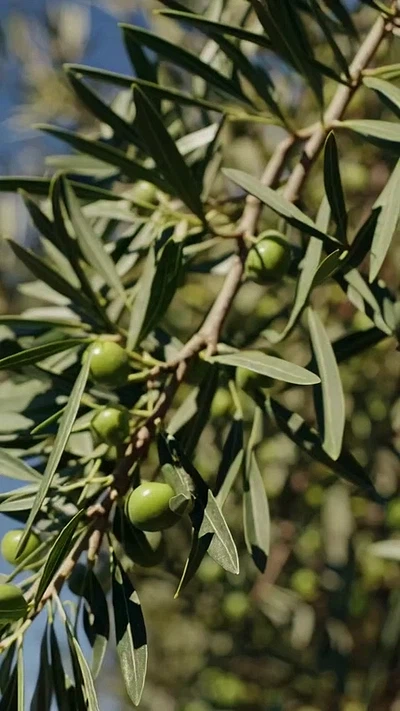
Twisted, gnarled trunks that become increasingly sculptural with age, often creating stunning silhouettes against the landscape.
Narrow gray-green leathery leaves with silvery undersides, which not only contribute to the tree's aesthetic appeal but also help to reduce water loss.
Small creamy-white flowers that appear in spring, emitting a delicate fragrance that attracts pollinators.
Oval green fruits that mature to a rich purple-black color, providing a visual feast and a source of nourishment.
Dense evergreen canopy, offering shelter and habitat for various wildlife while also providing shade in hot climates.
Olive trees are among the longest-lived cultivated plants on Earth, with some specimens throughout the Mediterranean believed to exceed 2,000 years of age. These ancient trees continue to bear fruit, showcasing their remarkable resilience despite centuries of environmental hardship and human intervention. Their ability to withstand droughts, pests, and diseases has made them a symbol of endurance.
The olive tree has transcended its botanical significance to become one of humanity's greatest symbols of longevity, peace, abundance, and enduring life. It is often associated with various cultural and religious traditions, representing hope and prosperity across different societies. The olive branch, in particular, has become a universal emblem of peace, further solidifying the tree's place in human history and its ongoing relevance in contemporary society.
📜 History & Traditional Uses
Ancient Mediterranean Medicine
Few medicinal plants possess a history as rich and multifaceted as the olive. This remarkable tree has not only shaped the landscape of the Mediterranean but has also played a pivotal role in the health and wellness of its inhabitants for millennia. The olive tree has been cultivated since ancient times, and its products have been utilized in various forms across different cultures.
Throughout Ancient Greece, Egypt, Rome, and the Levant, olive products were esteemed for their numerous health benefits. The therapeutic applications of olive were diverse and included:
Wound healing: Olive oil was applied topically to soothe and heal wounds, leveraging its anti-inflammatory properties.
Digestive support: The oil was consumed to aid digestion, promoting a healthy gut and alleviating gastrointestinal discomfort.
Skin nourishment: Rich in vitamins and antioxidants, olive oil served as a natural moisturizer and skin protector.
Fever: Infusions made from olive leaves were used to reduce fever and promote overall wellness.
Infection: The antimicrobial properties of olive products made them useful in combating infections.
Heart health: The consumption of olive oil was linked to improved cardiovascular health, contributing to lower rates of heart disease.
General vitality: Olive oil was regarded as a source of vitality and strength, integral to the Mediterranean diet.
Olive oil became the foundation of both medicine and daily nutrition, revered not only for its flavor but also for its myriad health benefits, which were recognized long before the advent of modern science.
Ancient Greece
The olive tree held a sacred place in Ancient Greek culture, revered as a gift from the goddess Athena. According to mythology, Athena presented the olive tree to humanity as a symbol of civilization, wisdom, and peace, underscoring its importance in Greek society. The olive branch became synonymous with victory and reconciliation, often awarded to victors in athletic competitions such as the Olympic Games.
Greek physicians, including the renowned Hippocrates, known as the "Father of Medicine," recognized the therapeutic potential of olive preparations. They prescribed various forms of olive oil and extracts for numerous ailments, particularly those involving inflammation and poor healing. The ancient Greeks understood that the olive tree was not just a source of food but a vital component of their health and well-being, integrating it into their daily lives and medical practices.
Traditional Mediterranean Herbalism
For centuries, olive leaves were prepared as teas and decoctions, harnessing their medicinal properties to address a range of health issues. Traditional herbalists in the Mediterranean region utilized olive leaves for:
Fever: Olive leaf infusions were commonly used to help reduce fevers and promote recovery from illness.
Influenza: The antiviral properties of olive leaves made them a popular remedy for influenza and other viral infections.
High blood pressure: Regular consumption of olive leaf tea was believed to support healthy blood pressure levels.
Weak immunity: Olive leaves were used to enhance immune function, helping the body fend off infections.
Diabetes: Traditional practitioners often recommended olive leaf preparations for managing blood sugar levels.
Infectious illness: The antimicrobial effects of olive leaves contributed to their use in treating various infectious diseases.
Olive oil became one of the principal nourishing medicines for longevity, celebrated not only for its culinary uses but also for its role in promoting health and well-being among the people of the Mediterranean.
Modern Herbalism
In contemporary times, the legacy of the olive tree continues to thrive, with modern herbalists utilizing olive leaf primarily for various health benefits that align with ancient practices. Today, olive leaf is recognized for its potential in:
Cardiovascular health: Olive leaf extracts are studied for their ability to support heart health by improving blood circulation and reducing cholesterol levels.
Immune resilience: The immune-boosting properties of olive leaves are harnessed to enhance the body’s defenses against pathogens.
Healthy blood pressure: Olive leaf is often recommended as a natural aid in maintaining healthy blood pressure levels.
Metabolic syndrome: Research suggests that olive leaf may play a role in managing metabolic syndrome, including issues related to obesity and insulin resistance.
Antioxidant protection: The high levels of antioxidants found in olive leaves help combat oxidative stress, contributing to overall health.
Chronic inflammatory conditions: Olive leaf extracts are utilized for their anti-inflammatory effects, providing relief for various chronic inflammatory conditions.
As we move forward, the olive tree and its myriad products continue to be a focal point in both traditional and modern herbal practices, bridging the wisdom of the past with the insights of contemporary health science.
🩺 Medicinal Actions & Indications
❤️ 1. Cardiovascular Tonic (Primary Use)
Olive is recognized as one of the world's premier herbs for supporting cardiovascular health, owing to its rich profile of bioactive compounds, including polyphenols, flavonoids, and healthy fats. The therapeutic properties of olive have been celebrated for centuries, particularly in Mediterranean cultures where it has been an integral part of traditional diets and medicinal practices.
Its multifaceted benefits for heart health are numerous and well-documented. It helps to:
Promote healthy arterial function: Olive extracts can enhance the function of the arteries by improving their ability to expand and contract, which is crucial for maintaining optimal blood flow and reducing the risk of arterial stiffness.
Improve vascular elasticity: The compounds found in olive, particularly oleic acid and various antioxidants, contribute to increased flexibility of blood vessels, allowing them to adapt to changes in blood pressure and volume more efficiently.
Support endothelial health: The endothelium, which is the thin layer of cells lining the blood vessels, plays a pivotal role in cardiovascular health. Olive has been shown to promote the integrity and function of the endothelium, thus enhancing overall vascular health.
Reduce oxidative damage to blood vessels: The high antioxidant content in olive helps combat oxidative stress, which is a significant contributor to the aging of blood vessels and the development of cardiovascular diseases. By neutralizing free radicals, olive protects vascular tissues from damage.
Encourage healthy circulation: Regular consumption of olive and its derivatives can enhance blood flow throughout the body, which is essential for delivering oxygen and nutrients to tissues and organs while also facilitating the removal of metabolic waste products.
Traditionally indicated for a variety of cardiovascular concerns, olive has been used to address:
Mild hypertension: Olive leaf extract has been observed to help lower blood pressure levels in individuals with mild hypertension, potentially reducing the need for pharmaceutical interventions.
Cardiovascular aging: As individuals age, the risk of cardiovascular issues increases. Olive's antioxidant properties are particularly beneficial in mitigating the effects of aging on the cardiovascular system.
Poor circulation: Individuals experiencing symptoms of poor circulation, such as cold extremities or numbness, may find relief through the circulatory-enhancing properties of olive.
Elevated cardiovascular risk: For those identified as having risk factors such as high cholesterol or a family history of heart disease, incorporating olive into their diet can serve as a preventive measure.
Recovery from chronic inflammatory states: Chronic inflammation is a known risk factor for cardiovascular disease. Olive's anti-inflammatory properties can aid in recovery and support the healing of the cardiovascular system.
The combination of olive leaf and extra virgin olive oil offers complementary support for the entire cardiovascular system. Extra virgin olive oil, in particular, is celebrated for its high levels of monounsaturated fats and antioxidants, making it a heart-healthy fat choice. Together, these components work synergistically to enhance heart function, promote healthy cholesterol levels, and support overall cardiovascular wellness, making olive not just a culinary delight but also a cornerstone of heart health.
🩸 2. Mild Hypotensive
Olive leaf has been recognized for its numerous health benefits, particularly in the realm of cardiovascular health. Its gentle yet effective support for maintaining healthy blood pressure levels is one of its most significant attributes. This natural remedy has been utilized for centuries in traditional medicine, and modern research continues to uncover its potential in promoting overall vascular health.
It helps to:
Relax vascular smooth muscle: The active compounds found in olive leaf, such as oleuropein, play a crucial role in promoting the relaxation of smooth muscle tissues within the blood vessels. This relaxation leads to a dilation of the blood vessels, which can decrease resistance and allow for smoother blood flow, ultimately contributing to lower blood pressure levels.
Improve arterial flexibility: Maintaining the elasticity of arteries is vital for healthy blood circulation. Olive leaf has been shown to enhance the flexibility of arterial walls, making them more adaptable to changes in blood pressure. This improved elasticity helps to prevent the stiffening of arteries, which is often associated with aging and various cardiovascular diseases.
Reduce peripheral resistance: By promoting the relaxation of blood vessels and improving arterial flexibility, olive leaf can effectively reduce peripheral resistance. This reduction means that the heart does not have to work as hard to pump blood throughout the body, which can lead to lower blood pressure and a decreased risk of heart-related issues.
Support healthy endothelial signaling: The endothelium, which is the thin layer of cells lining the blood vessels, plays a critical role in regulating blood pressure and maintaining vascular health. Olive leaf supports healthy endothelial function, which is essential for the release of substances that control blood vessel dilation and constriction. This support helps to ensure that the body can appropriately respond to changes in blood flow and pressure.
Unlike many pharmaceutical antihypertensives that may produce rapid changes in blood pressure, olive leaf generally acts gradually and gently. This gradual action not only makes it a safer alternative for many individuals but also allows for the nourishment and strengthening of vascular tissues over time. By incorporating olive leaf into a balanced diet or as a supplement, individuals can support their cardiovascular health in a holistic manner, potentially reducing the need for more aggressive pharmaceutical interventions. Ultimately, the use of olive leaf as a mild hypotensive agent exemplifies the benefits of natural remedies in promoting long-term health and well-being.
🛡️ 3. Antioxidant
Olive is exceptionally rich in powerful antioxidants, which play a crucial role in maintaining overall health and wellness. These compounds are vital in combating oxidative stress, a condition that arises when there is an imbalance between free radicals and antioxidants in the body. Free radicals are unstable molecules that can cause significant damage to cells, proteins, and DNA, leading to various health issues and accelerating the aging process.
Olive's antioxidant properties are primarily attributed to its high content of phenolic compounds, including oleuropein, hydroxytyrosol, and tyrosol. These compounds not only contribute to the distinctive flavor and aroma of olive oil but also offer a myriad of health benefits. The antioxidants found in olives help to:
Neutralize free radicals: By scavenging free radicals, antioxidants prevent them from inflicting damage on cellular structures, thereby reducing the risk of chronic diseases such as cancer and heart disease.
Protect DNA: Antioxidants help to safeguard the integrity of DNA by preventing oxidative damage, which can lead to mutations and contribute to the development of various illnesses.
Reduce oxidative stress: By enhancing the body's ability to counteract oxidative stress, antioxidants support cellular health and function, promoting overall vitality and well-being.
Slow cellular aging: The protective effects of antioxidants can slow down the aging process at the cellular level, helping to maintain youthful skin and vitality by combatting the signs of aging.
Preserve healthy tissues: Antioxidants play a significant role in maintaining the health of various tissues in the body, including the skin, heart, and brain, thereby contributing to overall longevity and quality of life.
Its antioxidant capacity is considered one of the primary reasons behind the remarkable health benefits associated with the Mediterranean diet. This diet, which emphasizes the consumption of fruits, vegetables, whole grains, and healthy fats like olive oil, is renowned for its ability to promote heart health, reduce inflammation, and enhance cognitive function. The inclusion of olives and olive oil as staple components of this diet not only enriches meals with flavor but also provides a robust defense against oxidative damage, making it a cornerstone of healthy eating practices worldwide.
🔥 4. Anti-Inflammatory
Olive, particularly in its oil form, has been recognized for its significant role in regulating chronic low-grade inflammation, a condition that can lead to a variety of health issues if left unchecked. This natural remedy has garnered attention not only for its flavor-enhancing properties in culinary applications but also for its profound health benefits, particularly in the context of inflammation management.
It helps to:
Calm inflammatory signaling: Olive oil contains various bioactive compounds, such as oleocanthal, which have been shown to inhibit the activity of pro-inflammatory enzymes. By modulating these signaling pathways, olive oil can effectively reduce the overall inflammatory response in the body, promoting a more balanced immune function.
Protect connective tissues: The antioxidants found in olive oil play a crucial role in safeguarding connective tissues from oxidative stress and damage. This protection is vital for maintaining the integrity of muscles, tendons, and ligaments, which are essential for overall mobility and physical health.
Reduce vascular inflammation: Chronic inflammation in the vascular system can lead to serious cardiovascular diseases. Olive oil contributes to heart health by reducing inflammation in blood vessels, which helps to lower the risk of atherosclerosis and other related conditions. This effect is largely attributed to the presence of healthy monounsaturated fats and polyphenols in olive oil.
Support healthy joints: The anti-inflammatory properties of olive oil can be particularly beneficial for individuals suffering from joint pain or conditions such as arthritis. By reducing inflammation around the joints, olive oil can help alleviate discomfort, improve mobility, and enhance the overall quality of life for those affected.
Indicated for:
Chronic inflammatory disorders: Conditions such as rheumatoid arthritis, lupus, and inflammatory bowel disease can significantly benefit from the incorporation of olive oil into the diet. Its anti-inflammatory properties can help manage symptoms and improve overall well-being.
Cardiovascular inflammation: Individuals at risk for heart disease or those with existing cardiovascular conditions may find that olive oil helps mitigate inflammation and improve heart health. This is particularly important for preventing further complications associated with cardiovascular inflammation.
Metabolic inflammation: Olive oil has been shown to play a role in regulating metabolic processes and can assist in reducing inflammation associated with obesity and metabolic syndrome. This can lead to improved metabolic health and a lower risk of related diseases.
General constitutional wellness: Beyond specific health conditions, incorporating olive oil into a balanced diet can promote overall health and wellness. Its anti-inflammatory benefits contribute to a stronger immune system and better resilience against various health challenges.
🦠 5. Antimicrobial & Antiviral
Olive leaf has demonstrated broad antimicrobial activity, making it a valuable asset in the realm of natural health and wellness. This remarkable plant has been utilized for centuries, not only for its culinary applications but also for its therapeutic properties. The active compounds found in olive leaves, such as oleuropein, have been extensively studied and shown to possess significant antimicrobial and antiviral capabilities.
It helps to:
Support healthy immune responses by enhancing the body's defense mechanisms. Olive leaf extract can stimulate the production of white blood cells, which play a crucial role in identifying and combating pathogens. This immune-boosting effect is particularly beneficial during times when the body is under increased stress or exposure to infectious agents.
Discourage bacterial overgrowth by creating an environment that is less conducive to the proliferation of harmful bacteria. The antimicrobial properties of olive leaf can help to maintain a balanced microbiome, which is essential for overall health and well-being. This balance is vital, as an overgrowth of certain bacteria can lead to various health issues, including digestive disorders and infections.
Inhibit certain viral replication processes, thereby reducing the severity and duration of viral infections. Research has indicated that the compounds in olive leaf can interfere with the lifecycle of viruses, preventing them from multiplying and spreading within the body. This mechanism of action makes olive leaf a promising natural remedy for various viral illnesses.
Promote recovery during seasonal illness, such as colds and flu, by providing a supportive environment for the body to heal. The anti-inflammatory properties of olive leaf can help alleviate symptoms associated with respiratory infections, such as sore throat and congestion, while also bolstering the immune response to facilitate quicker recovery.
Traditionally indicated for:
Influenza, where olive leaf extract has been used as a natural adjunct to conventional treatments, helping to mitigate symptoms and enhance recovery. Its ability to support immune function is particularly beneficial during flu season when the risk of infection is heightened.
Viral respiratory illness, including conditions such as bronchitis and the common cold, where olive leaf can provide relief from inflammation and congestion, making breathing easier and promoting overall respiratory health.
Chronic microbial imbalance, which can occur due to factors such as poor diet, stress, or antibiotic use. Olive leaf can help restore balance in the gut and other body systems by combating harmful microorganisms and supporting beneficial ones.
General immune support, as the regular consumption of olive leaf extract can serve as a proactive measure to strengthen the immune system, making it more resilient against various pathogens. This preventative approach is especially important for individuals who are frequently exposed to illness or those with compromised immune systems.
🍬 6. Metabolic Support
Olive leaf is renowned for supporting healthy glucose metabolism. This remarkable natural extract has been the subject of extensive research, revealing its potential to positively influence various metabolic processes in the body.
It helps to:
Improve insulin sensitivity: Insulin sensitivity refers to how responsive your cells are to insulin, the hormone responsible for regulating blood sugar levels. Enhanced insulin sensitivity allows the body to use glucose more effectively, which is crucial for maintaining energy levels and preventing spikes in blood sugar. Olive leaf extract has been shown to facilitate this process, potentially aiding those with insulin resistance or metabolic disorders.
Support healthy blood sugar regulation: By promoting balanced blood sugar levels, olive leaf assists in preventing the fluctuations that can lead to energy crashes and cravings. This regulation is essential for overall health and can help mitigate the risk of developing chronic conditions such as type 2 diabetes. The bioactive compounds in olive leaf contribute to this balance by modulating glucose absorption and utilization in the body.
Protect pancreatic tissues: The pancreas plays a vital role in glucose metabolism by producing insulin. Olive leaf extract has protective effects on pancreatic tissues, potentially helping to preserve their function and integrity. This protective action is particularly important in preventing damage that can occur due to chronic high blood sugar levels, which can lead to further complications in metabolic health.
Reduce oxidative stress associated with metabolic dysfunction: Oxidative stress is a condition characterized by excessive free radicals that can damage cells and tissues. Olive leaf is rich in antioxidants, which help neutralize these free radicals, thereby reducing oxidative stress. This is particularly beneficial in the context of metabolic dysfunction, where oxidative stress can exacerbate issues related to insulin resistance and overall metabolic health.
Traditionally indicated for:
Metabolic syndrome: This cluster of conditions, including high blood pressure, high blood sugar, excess body fat around the waist, and abnormal cholesterol levels, significantly increases the risk of heart disease, stroke, and diabetes. Olive leaf extract may serve as a complementary approach to managing these risk factors, promoting better metabolic health.
Prediabetes: Prediabetes is a condition where blood sugar levels are higher than normal but not yet high enough to be diagnosed as type 2 diabetes. Incorporating olive leaf extract into a lifestyle that includes a balanced diet and regular exercise may help lower blood sugar levels and improve metabolic function, potentially preventing the progression to diabetes.
General metabolic wellness: Beyond specific conditions, olive leaf is beneficial for anyone looking to maintain or improve their metabolic health. Its ability to support glucose metabolism and reduce oxidative stress makes it a valuable addition to a health-conscious lifestyle.
It should be viewed as supportive care rather than a replacement for prescribed treatment. While olive leaf extract offers many benefits, it is essential to consult with healthcare professionals when managing metabolic health, especially for individuals with existing medical conditions or those on medication. Integrating olive leaf into a comprehensive approach that includes dietary changes, physical activity, and medical oversight can lead to the best outcomes for metabolic health.
🧬 7. Lipid-Modulating & Nutritive
Extra virgin olive oil, often regarded as a cornerstone of the Mediterranean diet, plays a crucial role in nourishing various tissues throughout the body while simultaneously supporting and enhancing healthy lipid metabolism. This remarkable oil is not just a culinary delight; it is a powerhouse of nutrients that contribute to overall health and well-being.
It helps to:
Promote healthy cholesterol balance: By encouraging a favorable ratio of high-density lipoprotein (HDL) to low-density lipoprotein (LDL), extra virgin olive oil aids in maintaining optimal cholesterol levels. This balance is essential for cardiovascular health, as it helps to prevent the buildup of plaque in the arteries.
Support healthy HDL function: HDL cholesterol, often referred to as "good" cholesterol, plays a vital role in transporting cholesterol away from the arteries and back to the liver, where it can be processed and eliminated. Extra virgin olive oil supports the function of HDL, ensuring it operates efficiently in this critical process.
Reduce LDL oxidation: The polyphenols found in extra virgin olive oil have antioxidant properties that help to protect LDL cholesterol from oxidation. Oxidized LDL is a significant risk factor for atherosclerosis, and by reducing this oxidation, extra virgin olive oil contributes to a lower risk of heart disease.
Nourish cell membranes: The monounsaturated fats present in extra virgin olive oil are essential for maintaining the integrity and fluidity of cell membranes. These fats help to keep cells functioning optimally, enabling better communication between cells and supporting various cellular processes.
Improve absorption of fat-soluble nutrients: Extra virgin olive oil enhances the body's ability to absorb essential fat-soluble vitamins such as A, D, E, and K. This improved absorption is crucial for maintaining various bodily functions, including vision, bone health, and immune response.
Its unique combination of healthy monounsaturated fats and a rich array of polyphenols makes it one of the healthiest dietary oils known to date. These components work synergistically to provide not only culinary benefits but also significant health advantages, making extra virgin olive oil a valuable addition to any diet. Regular consumption of this oil can lead to improved overall health outcomes, particularly in relation to heart health and inflammation reduction, further solidifying its reputation as a superfood in modern nutrition.
🔬 Chemical Constituents
The olive tree owes its remarkable health benefits to an extraordinary collection of polyphenols and healthy lipids. These bioactive compounds work synergistically to promote wellness and protect against a variety of ailments, making olives and their derivatives a staple in traditional and modern medicine alike.
Oleuropein (Primary Leaf Constituent)
Oleuropein stands out as the signature compound of olive leaves, encapsulating many of the health-promoting qualities associated with this remarkable plant. This bitter-tasting compound is primarily responsible for the therapeutic effects attributed to olive leaf extracts.
Supports:
Antioxidant activity: Oleuropein exhibits powerful antioxidant properties, helping to neutralize free radicals and reduce oxidative stress, which is a contributing factor in numerous chronic diseases.
Cardiovascular health: Research indicates that oleuropein can contribute to lower blood pressure and improved lipid profiles, thereby supporting overall heart health and reducing the risk of cardiovascular diseases.
Antimicrobial action: This compound has been shown to possess antimicrobial properties, effectively combating various pathogens, including bacteria and viruses, thus enhancing the body’s ability to fend off infections.
Immune modulation: Oleuropein may play a role in modulating the immune response, helping to balance immune activity and potentially reducing the incidence of autoimmune disorders.
Hydroxytyrosol
Hydroxytyrosol is heralded as one of the most potent naturally occurring antioxidants known to science. Found abundantly in both olives and olive oil, this compound provides remarkable protection against oxidative stress, which is linked to aging and various degenerative diseases. Its ability to scavenge free radicals and enhance the body’s antioxidant defenses makes it invaluable in promoting overall health and longevity.
Moreover, hydroxytyrosol has been associated with anti-inflammatory effects, further bolstering its protective role in combating chronic conditions such as heart disease and cancer.
Oleocanthal
Oleocanthal is another significant compound found primarily in extra virgin olive oil. This phenolic compound has garnered attention for its anti-inflammatory activity, which operates through mechanisms similar to those of nonsteroidal anti-inflammatory drugs (NSAIDs), albeit with a different level of potency. Research suggests that oleocanthal may help alleviate pain and inflammation, making it a natural alternative for those seeking relief from inflammatory conditions without the side effects commonly associated with pharmaceuticals.
Additionally, oleocanthal's potential neuroprotective effects are being explored, indicating its promise in the prevention of neurodegenerative diseases.
Flavonoids
Flavonoids are a diverse group of phytonutrients found in olives, including:
Luteolin: Known for its antioxidant and anti-inflammatory properties, luteolin supports the health of blood vessels and may improve circulation.
Apigenin: This flavonoid is recognized for its ability to promote relaxation and reduce anxiety, while also contributing to the maintenance of cardiovascular health.
Rutin: Rutin is particularly beneficial for vascular integrity, as it helps strengthen blood vessels and improve circulation, reducing the risk of varicose veins and other circulatory issues.
These flavonoids work in concert to enhance the overall health benefits of olives, supporting not only vascular integrity but also offering protective effects against various chronic diseases.
Triterpenes
Triterpenes are another class of compounds found in olives, including:
Oleanolic acid: This triterpene is known for its anti-inflammatory properties and potential to support liver health, as well as its role in promoting skin health.
Maslinic acid: Maslinic acid has garnered interest for its antioxidant and anti-inflammatory benefits, contributing to metabolic health and potentially assisting in weight management.
These triterpenes contribute to the overall anti-inflammatory and metabolic benefits associated with olive consumption, further enhancing its status as a functional food.
Healthy Lipids
Extra virgin olive oil is exceptionally rich in healthy lipids, particularly:
Oleic acid (monounsaturated fat): This fatty acid is known for its heart-healthy properties, supporting cardiovascular and neurological health. Oleic acid helps to reduce bad cholesterol levels while increasing good cholesterol, thereby promoting a healthier lipid profile.
In addition to its lipid content, olive oil is recognized for its anti-inflammatory properties, which can contribute to the prevention of chronic diseases, making it a key component of the Mediterranean diet.
Oleuropein remains the defining phytochemical of olive leaf and has become one of the most extensively researched plant compounds in modern herbal medicine. Its diverse range of health benefits, combined with the other potent compounds found in olives, underscores the importance of incorporating this remarkable fruit into a balanced diet for optimal health and well-being.
⚗️ Preparations & Dosage
Leaf Infusion
To prepare an infusion using olive leaves, measure out 1–2 teaspoons of dried leaves. It is essential to ensure that the leaves are properly dried to maintain their beneficial properties and flavor.
Once you have the leaves ready, steep them in hot water for a duration of 10–15 minutes. It is advisable to cover the infusion during this time to trap the heat and enhance the extraction of the leaves' active compounds.
For optimal health benefits, it is recommended to drink 1–3 cups of this infusion daily. Regular consumption can support various aspects of health, including cardiovascular function and immune support.
Decoction
For a more concentrated preparation, older olive leaves can be used to make a decoction. This method involves gently simmering the leaves in water for a period of 15–20 minutes. The simmering process helps to extract a broader range of beneficial compounds, making this a potent option for those seeking enhanced therapeutic effects.
Tincture (1:5)
A tincture is a highly concentrated liquid extract, and for olive leaves, a common ratio is 1:5. This means that for every part of dried olive leaf, five parts of alcohol or another solvent are used.
The typical dosage for this tincture is between 2–5 mL, which can be taken up to 3 times daily. This form of olive leaf preparation is particularly useful for those who prefer a quick and easy way to incorporate the benefits of olive leaves into their daily routine.
Standardized Extract
Standardized extracts of olive leaf are often created to ensure a consistent level of oleuropein, a compound known for its antioxidant and anti-inflammatory properties. This standardization allows users to know the exact dosage of active ingredients they are consuming.
Typical dosages for standardized extracts range from 250–1,000 mg daily, depending on the specific preparation and individual health needs. It is advisable to follow the guidance of a healthcare professional when determining the appropriate dosage for your situation.
Extra Virgin Olive Oil
Incorporating extra virgin olive oil into your diet can be beneficial not only for culinary purposes but also for its health-promoting properties. A common recommendation is to consume 1–3 tablespoons daily, either as part of meals or as a medicinal supplement.
Cold-pressed, extra virgin preparations of olive oil are particularly valuable as they retain the highest concentration of beneficial polyphenols and other nutrients. These compounds contribute to the oil's health benefits, including supporting heart health, reducing inflammation, and providing antioxidant protection. Including extra virgin olive oil in your daily diet can be a delicious and effective way to enhance overall wellness.
⚠️ Contraindications & Safety
Olive leaf and olive oil are generally considered extremely safe for most individuals when used appropriately. Their long history of use in traditional medicine and culinary practices supports their reputation as beneficial and low-risk substances. However, as with any natural product, it is essential to approach their use with caution, especially in specific populations or when combined with certain medications.
Use caution with the following:
Blood pressure medications: Olive leaf extract has been shown to possess hypotensive properties, meaning it can lower blood pressure. While this can be beneficial for individuals with hypertension, those who are already taking blood pressure medications should be cautious, as the combined effects may lead to excessively low blood pressure, which can cause dizziness, fainting, or other serious complications. It is advisable for these individuals to consult with a healthcare provider before incorporating olive leaf into their regimen.
Diabetes medications: Olive leaf may also have the potential to lower blood glucose levels, which is advantageous for managing diabetes. However, for individuals who are already on diabetes medications, there is a risk of additive effects that could lead to hypoglycemia, or dangerously low blood sugar levels. Close monitoring of blood sugar levels is recommended, and adjustments to medication may be necessary under the guidance of a healthcare professional.
Individuals with olive pollen allergy: Although rare, some individuals may have an allergy to olive pollen. For these people, using olive leaf or olive oil could potentially trigger allergic reactions. Symptoms may include respiratory issues, skin rashes, or gastrointestinal discomfort. It is crucial for those with known allergies to consult with an allergist or healthcare provider before using these products.
Possible side effects associated with olive leaf and olive oil include:
Mild digestive upset: Some individuals may experience gastrointestinal discomfort, such as bloating, gas, or diarrhea when consuming olive leaf extract, particularly in higher doses. This is often temporary and may resolve as the body adjusts to the supplement. To minimize these effects, it is advisable to start with a lower dose and gradually increase it as tolerated.
Temporary fatigue during initial antimicrobial use: When starting olive leaf extract, some users report experiencing temporary fatigue or lethargy. This may be related to the body's detoxification processes as it responds to the antimicrobial properties of the extract. Such fatigue is usually short-lived and should subside as the body acclimates to the supplement.
Rare allergic reactions: Although uncommon, allergic reactions to olive leaf or olive oil can occur. Symptoms might include skin rashes, itching, or respiratory difficulties. If any signs of an allergic reaction arise, it is essential to seek immediate medical attention and discontinue use.
Extra virgin olive oil is among the safest medicinal foods known, recognized not only for its culinary benefits but also for its numerous health-promoting properties. It is rich in monounsaturated fats, particularly oleic acid, and contains a variety of antioxidants and anti-inflammatory compounds. These attributes contribute to its reputation as a heart-healthy fat that can be safely consumed by most individuals, including those with various health conditions. Nevertheless, it is always prudent to consult with a healthcare professional to ensure that the incorporation of olive oil into one’s diet aligns with individual health needs and conditions.
🌿 Synergistic Pairings of Olive
With Hawthorn
Comprehensive cardiovascular support
The combination of olive and hawthorn creates a powerful alliance for heart health. Hawthorn is renowned for its ability to strengthen heart muscles and improve blood circulation, while olive oil contributes healthy fats that can reduce cholesterol levels. Together, they work synergistically to enhance overall cardiovascular function, providing a holistic approach to maintaining a healthy heart.
With Garlic
Cardiovascular and antimicrobial wellness
When olive oil is paired with garlic, the result is a potent blend that supports not only heart health but also offers antimicrobial properties. Garlic is known for its ability to lower blood pressure and cholesterol, while olive oil provides anti-inflammatory benefits. This combination can help to fend off infections and promote a robust cardiovascular system, making it an excellent choice for those looking to enhance their overall wellness.
With Hibiscus
Healthy blood pressure support
The pairing of olive with hibiscus is particularly beneficial for those looking to maintain healthy blood pressure levels. Hibiscus tea is celebrated for its ability to lower blood pressure and improve vascular health. When combined with the heart-healthy properties of olive oil, this duo can provide significant support for maintaining optimal blood pressure, making it a valuable addition to a health-conscious diet.
With Holy Basil
Stress-related cardiovascular protection
Holy basil, also known as Tulsi, is revered for its adaptogenic properties that help the body manage stress. When combined with olive oil, it offers a unique approach to cardiovascular protection, particularly in individuals who experience stress-related heart issues. This combination not only promotes relaxation but also supports heart health, making it an ideal pairing for those seeking to mitigate the effects of stress on their cardiovascular system.
With Turmeric
Anti-inflammatory constitutional support
The synergy between olive oil and turmeric is a powerhouse for combating inflammation throughout the body. Turmeric contains curcumin, a compound known for its strong anti-inflammatory effects. When paired with the healthy fats in olive oil, the absorption of curcumin is enhanced, leading to greater anti-inflammatory benefits. This combination is particularly beneficial for individuals dealing with chronic inflammation or inflammatory conditions.
With Green Tea
Antioxidant synergy
Combining olive oil with green tea creates a remarkable blend rich in antioxidants. Green tea is packed with catechins, which are powerful antioxidants that help protect the body from oxidative stress. The healthy fats in olive oil not only enhance the absorption of these antioxidants but also contribute additional protective benefits. Together, they form a formidable duo in the fight against free radicals, promoting overall health and longevity.
With Milk Thistle
Liver and metabolic support
The partnership of olive oil and milk thistle offers significant support for liver health and metabolic function. Milk thistle is known for its active ingredient, silymarin, which helps protect liver cells and supports detoxification processes. When combined with the healthy fats of olive oil, this pairing enhances the liver's ability to function optimally, making it an excellent choice for those looking to support their liver health and metabolic processes.
With Rosemary
Cognitive and circulatory support
The combination of olive oil and rosemary is not only flavorful but also beneficial for cognitive and circulatory health. Rosemary contains compounds that may improve memory and concentration, while olive oil supports healthy blood circulation. Together, they create a synergy that enhances brain function and promotes healthy blood flow, making this pairing an excellent addition to meals for those looking to boost both mental acuity and cardiovascular health.
🔮 Spiritual & Esoteric Lore
Few plants carry greater symbolic significance than the olive tree, a remarkable species that has woven itself into the fabric of human culture and spirituality for millennia. Its presence in various traditions and its deep-rooted connections to human history make it a powerful emblem of various virtues.
For thousands of years, the olive tree has represented peace, wisdom, endurance, reconciliation, abundance, and divine blessing. This multifaceted symbolism arises not only from its physical characteristics but also from its historical and cultural associations across different civilizations. The olive tree has been revered in ancient texts, art, and rituals, each adding layers to its significance. Its ability to thrive in harsh conditions, producing fruit even in adversity, has made it a beacon of hope and a testament to the enduring spirit of life.
Its remarkable longevity, ability to regenerate after severe pruning, and continued fruitfulness through centuries have made it one of humanity's greatest symbols of resilience. This resilience is not merely a physical trait but a spiritual lesson, teaching us about the importance of adaptability and perseverance in the face of life's challenges. The olive tree stands tall, a reminder that strength can be found in vulnerability and that growth often follows periods of hardship.
Energetic Themes
Peace: The olive tree has long been a symbol of peace, often associated with the resolution of conflicts and the establishment of tranquility among nations and individuals.
Wisdom: Its twisted and gnarled branches tell stories of the wisdom gained through time and experience, serving as a metaphor for the lessons life teaches us.
Longevity: The olive tree can live for hundreds, even thousands of years, embodying the essence of endurance and the value of a long life filled with experiences.
Reconciliation: In many cultures, the olive branch is a symbol of forgiveness and the restoration of harmony, making it a powerful emblem in times of strife.
Steadfastness: The olive tree’s deep roots and sturdy trunk represent unwavering strength and commitment, qualities essential for facing life's adversities.
Abundance: The fruit of the olive tree is a source of nourishment, symbolizing the abundance that comes from hard work and the blessings of nature.
Sacred nourishment: Beyond physical sustenance, the olive tree provides spiritual nourishment, offering insights and wisdom that enrich the soul.
Doctrine of Signatures
Twisted ancient trunk
Represents wisdom gained through life's hardships and the beauty of enduring resilience. The gnarled appearance of the trunk serves as a testament to the trials faced over centuries, illustrating how challenges can shape and strengthen character.
Evergreen leaves
Symbolize perpetual vitality, renewal, and hope. The leaves of the olive tree remain green throughout the year, embodying the idea of eternal life and the continuous cycle of rebirth, reminding us that there is always a chance for renewal, no matter the circumstances.
Oil-rich fruit
Reflects deep nourishment, lubrication, and the preservation of life. The olive fruit, from which the revered olive oil is derived, signifies the richness of life and the importance of nurturing both body and spirit.
Exceptional longevity
Demonstrates patience, stability, and the slow cultivation of lasting strength. The ability of the olive tree to endure through the ages is a powerful reminder of the virtues of patience and the rewards that come from steadfast perseverance.
Magical Associations
Element: Earth / Water
Planet: Sun / Jupiter
Traditionally associated with:
Peace: The olive tree is a universal symbol of peace, often used in rituals and ceremonies to invoke a sense of harmony.
Prosperity: The bountiful harvest of olives signifies prosperity and the rewards of hard work and dedication.
Protection: In various cultures, the olive tree is believed to offer protection against negative energies and harm.
Fertility: The olive tree is often linked with fertility and the nurturing aspects of life, symbolizing growth and abundance.
Longevity: Its long lifespan is celebrated as a symbol of enduring legacy and the importance of long-term vision.
Divine blessing: The olive tree is frequently associated with divine favor, making it a sacred symbol in religious contexts.
Wisdom: Its historical significance as a source of nourishment and oil has made it a symbol of wisdom throughout the ages.
Healing: Olive oil has been used for its healing properties, further connecting the tree to themes of restoration and health.
Throughout the Mediterranean world, olive branches have symbolized peace for millennia. They crowned victorious athletes in ancient Greece, were carried in sacred ceremonies, and became enduring emblems of reconciliation in both Jewish and Christian traditions. Olive oil was used to anoint kings, priests, and healers, symbolizing consecration, illumination, and the transmission of divine favor. The olive tree's rich history and profound symbolism continue to resonate, reminding us of the interconnectedness of life, the importance of nurturing our spirits, and the enduring power of peace and resilience in our world.
✅ Final Thoughts
Olive is one of the world's greatest medicinal foods and constitutional tonics for:
Cardiovascular health
Healthy blood pressure
Chronic inflammation
Oxidative stress
Immune resilience
Metabolic wellness
Healthy aging
Its extraordinary combination of antioxidant polyphenols, nourishing monounsaturated fats, cardiovascular protection, and anti-inflammatory activity has made it a cornerstone of both traditional Mediterranean medicine and modern preventive health.
Where inflammation has worn away vitality, Olive restores balance.Where the heart and blood vessels have endured the burdens of time, it offers nourishment and protection.And where life has become hurried and depleted, it reminds us that enduring strength is cultivated slowly, season by season.
Like the ancient trees that continue to bear fruit after centuries of wind, drought, and hardship, the olive teaches that true health is not merely the absence of disease, but the quiet cultivation of resilience, nourishment, peace, and longevity.


Comments