
🌿 Plant Profile - Alfalfa (Medicago sativa)

🌿 Alfalfa
Botanical Name: Medicago sativa
Family: Fabaceae (Legume family)
Common Names: Alfalfa, Lucerne
Parts Used: Aerial parts (leaves and stems), sprouts (young stage)
Energetics: Cooling to neutral, moistening, alkalizing
Tissue States: Deficiency, malnutrition, acidity, convalescence, mineral depletion
Primary Actions: Nutritive tonic, alterative, mild diuretic, alkalizing, galactagogue, hypocholesterolemic
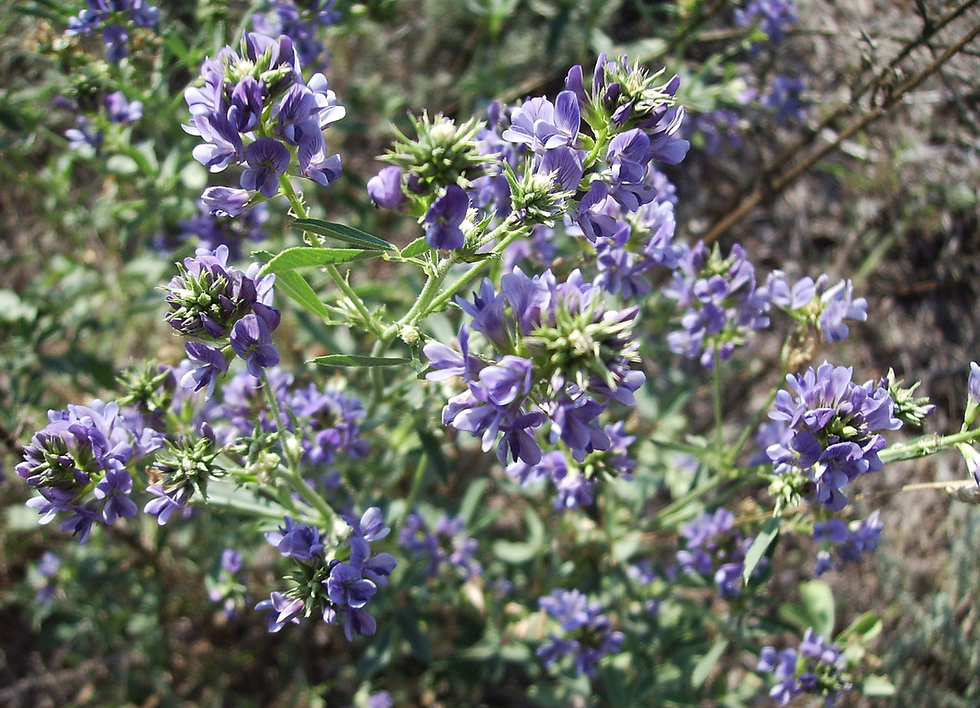
🌱 Botanical Description of Alfalfa
Alfalfa is a perennial legume that has its origins in the rich and diverse ecosystems of:
Western Asia, where it has been cultivated for thousands of years, particularly in regions with a Mediterranean climate that supports its growth.
The Middle East, where it was historically valued not only as a forage crop for livestock but also for its ability to improve soil health and fertility.
Today, alfalfa is cultivated on a global scale, spanning continents and climates, from the temperate regions of North America and Europe to the subtropical areas of Asia and Africa. Its adaptability to various soil types and climatic conditions has made it a staple in agricultural practices around the world.
Identifying features:
Trifoliate leaves: Alfalfa features distinct trifoliate leaves, typically consisting of three leaflets that are oval-shaped with a smooth surface. These leaves are essential for photosynthesis and contribute significantly to the plant's overall vigor.
Purple-blue flowers: The plant produces beautiful clusters of purple-blue flowers, which are not only visually striking but also attract a variety of pollinators, including bees. The flowering period generally occurs in late spring to early summer, providing a critical food source for these insects.
Deep taproot: One of the most remarkable characteristics of alfalfa is its deep taproot, which can reach depths of 15 to 20 feet. This extensive root system allows the plant to access moisture and nutrients that are otherwise unavailable to many other crops, making it particularly resilient during dry periods.
Fine, leafy growth habit: Alfalfa exhibits a fine, leafy growth habit that can reach heights of up to 3 feet. This dense foliage not only provides excellent forage for livestock but also contributes to soil structure and health by preventing erosion and enhancing organic matter content.
Alfalfa thrives best in fertile, well-drained soils, but it is also renowned for its remarkable ability to pull minerals from deep soil layers. This unique characteristic enriches both the land and the bodies of animals and humans that consume it. By fixing nitrogen in the soil through its symbiotic relationship with rhizobia bacteria, alfalfa enhances soil fertility, making it an invaluable crop in sustainable agricultural practices. In addition to its nutritional benefits, alfalfa is often used in crop rotation systems to improve soil health and reduce the need for chemical fertilizers.
📜 Etymology & Names
“Alfalfa” originates from the Arabic term al-fasfasa, which translates to “best fodder.” This name reflects the plant's historical significance as a high-quality feed for livestock, particularly in arid regions where it thrived. Alfalfa has been cultivated for centuries, dating back to ancient Persia, and its name signifies not just its utility but also its esteemed status among forage crops. The cultivation of alfalfa has spread across various cultures and continents, leading to its adoption in diverse agricultural practices, where it is valued for its ability to enrich soil through nitrogen fixation and its nutritious profile, making it a staple in the diets of many farm animals.
“Lucerne” finds its roots in the Latin word lucerna, meaning “lamp.” This term metaphorically connects to the plant's role in providing nourishment and sustenance, much like a lamp illuminates a dark space. The name is particularly associated with the region of Lucerne in Switzerland, where the plant was historically cultivated and praised for its beneficial properties. Lucerne is not only recognized for its nutritional value but also for its resilience and adaptability to various soil types and climatic conditions. Its cultivation has become widespread in Europe and beyond, and it plays a crucial role in sustainable agriculture due to its ability to improve soil health and provide a rich source of protein for livestock, thus enhancing food security in many communities.
🧿 Historical & Traditional Uses
Traditional Herbalism
Alfalfa, often referred to as the "father of all foods," has a long and rich history as a medicinal food that has been utilized across various cultures for its remarkable health benefits. It has been recognized for its nutritional value and therapeutic properties for centuries. Traditionally, alfalfa has been employed to address a variety of health concerns, particularly:
Weakness and fatigue: Alfalfa is often recommended for individuals experiencing general weakness and fatigue. Its rich nutrient profile, which includes vitamins A, C, E, and K, along with essential minerals like calcium, magnesium, and potassium, can help to invigorate the body and restore energy levels.
Convalescence: This herb has been traditionally used during recovery periods after illness or surgery. Due to its high nutrient content, alfalfa can aid in rebuilding strength and supporting the body’s healing processes, making it a popular choice for those in convalescence.
Malnutrition: Alfalfa has been utilized as a natural remedy for malnutrition, particularly in populations that may lack access to a balanced diet. Its nutrient-dense profile can provide essential vitamins and minerals that are often missing in undernourished individuals.
Mineral deficiency: The herb is known for its ability to replenish mineral deficiencies. Alfalfa leaves are particularly rich in minerals, making them a valuable resource for those needing to restore their mineral balance, especially calcium and iron.
Digestive acidity: Alfalfa has been traditionally used to alleviate digestive issues, particularly those related to acidity. Its alkalizing properties can help neutralize stomach acid, promoting better digestion and reducing discomfort associated with acid reflux or indigestion.
Ayurvedic & Unani Influence
In both Ayurvedic and Unani medicine, alfalfa holds a significant place due to its numerous health benefits and its ability to balance bodily systems. It is commonly used as:
A cooling tonic: Alfalfa is considered a cooling herb in traditional medicine, helping to reduce excess heat in the body. This makes it particularly beneficial during hot weather or for individuals with conditions characterized by inflammation or heat.
A blood builder: Alfalfa is recognized for its ability to enhance blood health. It is often recommended for individuals with anemia or low hemoglobin levels due to its rich iron content, which can help in the production of healthy red blood cells.
Lactation support: In both Ayurvedic and Unani practices, alfalfa is frequently used to support lactation in nursing mothers. Its nutrient-rich profile is believed to enhance milk production and improve the overall quality of breast milk, providing essential nourishment for infants.
Modern Use
In contemporary health and wellness practices, alfalfa has gained popularity and is commonly found in various forms, reflecting its adaptability and nutritional benefits. It is prevalent in:
Green powders: Alfalfa is often included in green superfood powders, which combine various nutrient-dense plants. These powders are popular among health enthusiasts for their convenience and the ability to provide a concentrated source of vitamins, minerals, and antioxidants.
Sprouted foods: Alfalfa sprouts are a common addition to salads, sandwiches, and wraps. They are valued for their crunchy texture and fresh flavor, as well as their enhanced nutrient availability compared to mature alfalfa, making them an excellent source of vitamins and enzymes.
Nutritional supplements: Alfalfa is widely available in capsule or tablet form as a dietary supplement. These supplements are marketed for their health benefits, including support for digestion, cholesterol management, and overall nutritional enhancement, catering to those seeking to improve their health through supplementation.
🩺 Medicinal Actions & Indications
⭐ 1. Nutritive & Rebuilding Tonic (Primary Action)
Alfalfa is exceptionally rich in a variety of essential nutrients that contribute to its reputation as a powerful tonic. This remarkable plant is particularly noted for its high content of:
Minerals: Alfalfa is an excellent source of crucial minerals such as calcium, magnesium, iron, and potassium. These minerals play vital roles in various bodily functions, including bone health, muscle function, and the regulation of blood pressure.
Chlorophyll: The presence of chlorophyll not only gives alfalfa its vibrant green color but also contributes to its detoxifying properties. Chlorophyll is known for its ability to help cleanse the body of toxins and support overall health.
Vitamins: Alfalfa is packed with essential vitamins, including A, C, E, and K. Vitamin A is crucial for vision and immune function, while Vitamin C supports the immune system and acts as an antioxidant. Vitamin E is important for skin health and cellular function, and Vitamin K plays a key role in blood clotting and bone metabolism.
Trace elements: In addition to the primary nutrients, alfalfa contains various trace elements that are necessary for optimal health, including zinc, copper, and manganese, which are important for enzyme function and antioxidant protection.
Due to its rich nutrient profile, alfalfa is used for a variety of health-related purposes, including:
Nutrient depletion: Alfalfa can be beneficial for individuals experiencing nutrient deficiencies due to poor diet, illness, or malabsorption issues, helping to restore balance and promote overall well-being.
Recovery from illness: The nutrient-dense nature of alfalfa makes it an excellent choice for those recovering from illness or surgery, as it provides the essential building blocks needed for healing and recovery.
Chronic fatigue: For individuals suffering from chronic fatigue syndrome or general fatigue, alfalfa may help to boost energy levels and improve overall vitality due to its high nutritional content.
Growing adolescents: Alfalfa is particularly beneficial for growing adolescents who have increased nutritional needs. Its rich mineral and vitamin content supports healthy growth and development during this critical period.
⭐ 2. Alkalizing & Metabolic Support
Alfalfa is recognized for its ability to help balance systemic acidity, making it an invaluable ally for those dealing with various health issues related to acidity and inflammation. Its alkalizing properties can be particularly useful for:
Acid reflux: Alfalfa may help to alleviate symptoms of acid reflux by neutralizing stomach acid and promoting a more balanced pH level in the digestive system, thus providing relief from discomfort.
Inflammatory conditions: The anti-inflammatory properties of alfalfa can support individuals suffering from chronic inflammatory conditions, such as arthritis, by helping to reduce inflammation and promote healing within the body.
Gout (supportive): For those dealing with gout, alfalfa can provide supportive care by helping to alkalize the body and reduce uric acid levels, which may alleviate symptoms associated with this painful condition.
⭐ 3. Alterative & Detoxifying
Alfalfa plays a significant role in supporting the body's natural elimination processes. Its gentle yet effective properties aid in the detoxification journey by promoting the health and function of several key organs involved in waste removal. Specifically, alfalfa supports elimination via:
Kidneys: The kidneys are vital organs responsible for filtering waste products from the bloodstream and regulating fluid balance. Alfalfa encourages healthy kidney function, which is essential for the efficient removal of toxins and excess substances from the body. By enhancing kidney health, alfalfa helps to prevent the buildup of harmful waste that can lead to various health issues.
Bowel: Regular bowel movements are crucial for the elimination of waste. Alfalfa can help stimulate digestive health, promoting regularity and preventing constipation. This herb is rich in fiber, which aids in bulking up stool and facilitating its passage through the intestines, thus ensuring that the body can effectively expel waste.
Liver: The liver is the body's detoxification powerhouse, breaking down toxins and filtering the blood. Alfalfa supports liver health by enhancing its ability to process and eliminate toxins. This support is critical, as a well-functioning liver can significantly improve overall health and vitality.
In addition to its detoxifying properties, alfalfa is particularly helpful in addressing specific health concerns, including:
Chronic skin conditions: Conditions such as eczema, psoriasis, and acne can often be linked to internal imbalances and toxin accumulation. Alfalfa's detoxifying action supports skin health by helping to clear impurities from the bloodstream, potentially alleviating these persistent skin issues.
Metabolic stagnation: A sluggish metabolism can lead to weight gain and other health problems. Alfalfa aids in stimulating metabolic processes, thereby promoting a more efficient breakdown of nutrients and the elimination of waste, which can enhance overall metabolic function.
⭐ 4. Mild Diuretic
Alfalfa is recognized for its mild diuretic properties, which promote gentle fluid elimination from the body without causing irritation to the urinary tract. This characteristic makes it a valuable herb for individuals seeking to manage fluid retention or support kidney function. By encouraging the excretion of excess fluids, alfalfa can help alleviate bloating and contribute to a more balanced internal environment. Its diuretic effect is particularly beneficial for those aiming to maintain optimal hydration levels while ensuring that the body efficiently removes waste products.
⭐ 5. Cardiovascular Support
Traditionally, alfalfa has been valued for its ability to support cardiovascular health. This herb is often used to:
Lower cholesterol: Alfalfa contains compounds known as saponins, which are believed to bind to bile acids in the intestines. This binding process helps reduce cholesterol absorption, leading to lower levels of cholesterol in the bloodstream. By supporting healthy cholesterol levels, alfalfa contributes to overall heart health and reduces the risk of cardiovascular diseases.
Support arterial health: Healthy arteries are crucial for maintaining proper blood flow and reducing the risk of heart disease. Alfalfa's nutrient profile, including vitamins, minerals, and antioxidants, supports the integrity of arterial walls and promotes optimal circulation. This support is essential for ensuring that the cardiovascular system functions effectively and efficiently.
In summary, the saponins in alfalfa not only play a role in cholesterol management but also contribute to the overall health of the cardiovascular system by promoting healthy blood vessel function and circulation.
⭐ 6. Galactagogue
Alfalfa has a long-standing reputation as a galactagogue, a substance that is used traditionally to support and enhance breast milk production in nursing mothers. This herb is rich in essential nutrients, including vitamins A, C, E, and K, as well as calcium, iron, and magnesium, all of which are vital for both the mother’s health and the nutritional needs of the infant. By incorporating alfalfa into their diet, nursing mothers may find that it aids in increasing milk supply, ensuring that their babies receive adequate nourishment during this crucial stage of development. The gentle nature of alfalfa makes it a suitable option for mothers looking to enhance lactation without adverse effects.
🔬 Chemistry & Pharmacology
Alfalfa is renowned not only for its nutritional value but also for its diverse pharmacological properties. The intricate chemistry of alfalfa contributes significantly to its health benefits, making it a valuable addition to diets and herbal remedies. Key constituents include:
Chlorophyll: This green pigment is not only responsible for the plant's color but also plays a crucial role in photosynthesis. In alfalfa, chlorophyll is abundant and is known for its detoxifying properties. It acts as a natural deodorizer and can help in cleansing the body of harmful toxins. Moreover, chlorophyll has been studied for its potential to promote wound healing and its ability to support healthy digestion.
Saponins: These compounds are known for their soap-like properties and their ability to form foams when mixed with water. Saponins found in alfalfa are believed to contribute to cholesterol reduction by binding to bile acids, which may help lower blood cholesterol levels. Additionally, they possess immune-boosting properties that can enhance the body’s defense mechanisms against infections and diseases.
Flavonoids: This group of polyphenolic compounds is recognized for their antioxidant capabilities. Flavonoids in alfalfa, such as quercetin and kaempferol, are known to scavenge free radicals, thereby protecting cells from oxidative stress. Their anti-inflammatory properties can also contribute to reducing the risk of chronic diseases, including cardiovascular issues and certain cancers.
Phytoestrogens (isoflavones): Alfalfa is a significant source of phytoestrogens, particularly isoflavones like genistein and daidzein. These compounds mimic estrogen in the body and can be beneficial for hormone balance, particularly in women experiencing menopause. They may help alleviate symptoms such as hot flashes and mood swings, making alfalfa a supportive herb for women's health.
Vitamins (especially K): Alfalfa is rich in vitamin K, a vital nutrient that plays a crucial role in blood clotting and bone health. This vitamin works synergistically with calcium and vitamin D to maintain strong bones and prevent fractures. Additionally, alfalfa contains other essential vitamins such as A, C, and various B vitamins, contributing to overall health and well-being.
Amino acids: As a complete protein source, alfalfa contains all essential amino acids necessary for various bodily functions. Amino acids are the building blocks of proteins and are crucial for muscle repair, hormone production, and immune function. The presence of these amino acids makes alfalfa particularly beneficial for vegetarians and those looking to enhance their protein intake naturally.
Pharmacological actions:
Nutrient repletion: Alfalfa is often used to replenish nutrients in individuals who may be deficient. Its rich nutrient profile helps in restoring essential vitamins and minerals, promoting overall health and vitality. This is particularly beneficial for those recovering from illness or those with dietary restrictions.
Mild cholesterol-lowering: Research has indicated that the saponins and fiber in alfalfa can contribute to lowering LDL cholesterol levels. By promoting a healthier lipid profile, alfalfa may reduce the risk of cardiovascular diseases and support heart health in the long term.
Antioxidant: The antioxidant properties of alfalfa help combat oxidative stress in the body, which is linked to aging and various chronic diseases. By neutralizing free radicals, these antioxidants play a vital role in maintaining cellular health and reducing inflammation.
Anti-inflammatory (gentle): Alfalfa’s anti-inflammatory properties can provide a gentle relief for various inflammatory conditions. It may be beneficial for individuals suffering from arthritis or other inflammatory disorders, aiding in the reduction of pain and swelling without harsh side effects.
⚗️ Preparations & Dosage
Infusion
To prepare an infusion of alfalfa, begin by measuring out 1–2 tablespoons of the dried aerial parts of the plant. These aerial parts are typically the leaves and stems, which contain a wealth of nutrients and beneficial compounds.
Next, add the dried alfalfa to a quart of boiling water. It is essential to steep the mixture for a duration of 4–8 hours, allowing for a thorough extraction of minerals and other vital constituents. This process is sometimes referred to as a mineral infusion, which emphasizes the rich mineral content that alfalfa provides.
Once the infusion has steeped for the appropriate amount of time, strain the liquid to remove the solid plant material. The resulting infusion can be consumed throughout the day, either warm or chilled, depending on personal preference. This method not only maximizes the health benefits of alfalfa but also offers a refreshing drink option that can be enjoyed at any time.
Powder
For those who prefer a more concentrated form, alfalfa powder can be an excellent choice. A typical dosage ranges from 1 to 2 teaspoons daily. This powdered form can easily be integrated into various foods and beverages.
One popular way to consume alfalfa powder is by adding it to smoothies, where it blends seamlessly with fruits and other ingredients, enhancing the nutritional profile of the drink. Additionally, it can be sprinkled onto salads, mixed into yogurt, or incorporated into baked goods, making it a versatile supplement that can enrich a wide array of dishes.
Capsules
For those who prefer convenience, alfalfa is also available in capsule form. A typical dosage is between 1 to 3 grams daily, which provides a concentrated source of the plant's beneficial properties without the need for preparation. Capsules are an excellent option for individuals with a busy lifestyle who may not have the time to prepare infusions or incorporate powders into their meals.
Sprouts
Alfalfa sprouts are another nutritious way to consume this beneficial plant. A serving size typically ranges from ½ to 1 cup of fresh sprouts. These sprouts are not only rich in vitamins and minerals but also add a delightful crunch and freshness to meals.
They can be easily added to salads for an extra layer of flavor, or used as a topping for sandwiches, providing both taste and nutrition. Additionally, alfalfa sprouts can be incorporated into wraps, grain bowls, or as a garnish for soups, making them a versatile ingredient that enhances the overall appeal of various dishes.
⚠️ Contraindications & Safety
Use caution if:
Autoimmune conditions: Individuals with autoimmune disorders should exercise caution when consuming alfalfa, particularly the sprouts. This caution is primarily due to the presence of L-canavanine, a compound found in alfalfa sprouts that can potentially exacerbate autoimmune responses. L-canavanine has been shown to mimic certain amino acids and may interfere with normal cellular functions, potentially triggering or worsening symptoms in those with conditions such as lupus, rheumatoid arthritis, or multiple sclerosis. Therefore, it is advisable for individuals with these conditions to consult with a healthcare professional before incorporating alfalfa into their diet.
On blood thinners: Alfalfa is rich in vitamin K, a nutrient known for its role in blood clotting. For individuals who are on anticoagulant medications, such as warfarin or other blood thinners, the intake of alfalfa could pose a risk by potentially interfering with the effectiveness of these medications. Vitamin K can counteract the anticoagulant effects, leading to an increased risk of clot formation. Therefore, those on blood thinners should monitor their intake of alfalfa and discuss any dietary changes with their healthcare provider to ensure safe and effective management of their condition.
Estrogen-sensitive conditions: People with estrogen-sensitive conditions, such as certain types of breast cancer or endometriosis, should be cautious when consuming large amounts of alfalfa. Alfalfa contains phytoestrogens, which are plant-derived compounds that can mimic estrogen in the body. While moderate consumption is generally considered safe, excessive intake may influence hormonal balance and potentially exacerbate estrogen-sensitive conditions. It is crucial for individuals with these health concerns to seek guidance from a healthcare professional regarding appropriate dietary choices.
In addition to these specific cautions, it is recommended to avoid long-term exclusive use of sprouts. Rotating foods in your diet can help mitigate the risks associated with consuming high quantities of any single food item, including alfalfa sprouts. This practice not only promotes a more balanced nutrient intake but also reduces the potential for developing sensitivities or adverse reactions to specific compounds found in alfalfa over time.
Overall, alfalfa is generally regarded as safe when used as a food herb in moderation. It offers a variety of nutritional benefits, including vitamins, minerals, and antioxidants. However, as with any dietary supplement or herb, it is essential to be mindful of individual health conditions and consult with a healthcare professional when necessary to ensure that it fits safely within one’s overall dietary plan.
🌿 Synergistic Pairings
For rebuilding
Alfalfa can be greatly enhanced when paired with other herbs that support the body’s rebuilding processes. These synergistic pairings not only bolster the nutritional content but also promote overall health and vitality.
Nettle: This powerhouse herb is loaded with vitamins A, C, K, and several B vitamins, as well as minerals like iron and calcium. When combined with alfalfa, nettle can help in rebuilding tissues and boosting the immune system, making it an excellent choice for those recovering from illness or looking to enhance their overall stamina.
Oatstraw: Known for its calming properties, oatstraw is rich in silica and magnesium, which are essential for maintaining healthy bones and connective tissues. The combination of oatstraw with alfalfa can provide a soothing effect on the nervous system while simultaneously supporting physical rebuilding, making it a perfect pairing for those experiencing stress or fatigue.
Red clover: This herb is renowned for its phytoestrogen content and is often used to support hormonal balance. When combined with alfalfa, red clover can aid in rebuilding the body’s tissues while also promoting healthy blood circulation, making it beneficial for women during various stages of life.
For digestion
Alfalfa's high fiber content makes it an excellent addition to a digestive health regimen. When paired with specific herbs known for their digestive benefits, the effects can be amplified, leading to improved gut health and overall well-being.
Peppermint: This refreshing herb is well-known for its ability to soothe digestive discomfort. When combined with alfalfa, peppermint can enhance the digestive process, alleviate bloating, and reduce gas, making meals more enjoyable and less taxing on the system.
Fennel: Fennel seeds are traditionally used to combat indigestion and promote digestive health. When synergized with alfalfa, fennel can help to relax the muscles of the gastrointestinal tract, thus easing digestion and reducing cramping, leading to a more comfortable digestive experience.
Dandelion leaf: Often overlooked, dandelion leaf is a powerful digestive aid that stimulates bile production and promotes liver health. When taken with alfalfa, it can enhance the body’s ability to break down and absorb nutrients, while also supporting detoxification processes.
For alkalizing
Maintaining an alkaline environment in the body is crucial for overall health, as it can help reduce inflammation and prevent disease. Alfalfa can play a significant role in alkalizing the body, especially when paired with other alkalizing herbs.
Burdock: This root is known for its blood-purifying properties and its ability to promote liver health. When combined with alfalfa, burdock helps to create a more alkaline environment in the body, which can aid in reducing acidity and promoting optimal health.
Yellow dock: Similar to burdock, yellow dock is another herb that supports liver function and detoxification. When paired with alfalfa, it can enhance the body’s alkalinity, helping to balance pH levels and improve overall bodily functions.
Greens blends: Incorporating a variety of green leafy vegetables into the diet can substantially boost alkalinity. When combined with alfalfa, these greens provide a plethora of vitamins, minerals, and antioxidants, all of which work together to maintain a healthy pH balance in the body.
🔮 Spiritual & Esoteric Lore
Alfalfa, often regarded as a symbol of vitality and resilience, embodies deep nourishment and grounding in both physical and spiritual contexts. This remarkable plant is not merely a source of sustenance for livestock; it also serves as a powerful metaphor for personal growth and inner strength. Alfalfa's profound connections to the earth remind us of the importance of establishing a solid foundation in our lives, allowing us to flourish and thrive.
Energetic Themes
Replenishment: Alfalfa is known for its ability to restore and rejuvenate. In spiritual practices, it symbolizes the replenishing of energy and resources, encouraging individuals to seek out what nourishes their soul. This theme of replenishment is vital, particularly in times of emotional or physical depletion, reminding us that we can always return to our source of strength.
Earth connection: The deep roots of alfalfa anchor it firmly in the soil, representing our own need to connect with the earth and the natural world. This connection fosters a sense of belonging and stability, allowing us to draw upon the earth's energies to support our spiritual journeys. Grounding ourselves in nature can enhance our well-being and help us maintain balance amid life's chaos.
Patience: The growth of alfalfa is a testament to the virtue of patience. This plant takes time to develop its extensive root system before it can flourish above ground. Similarly, in our lives, we must often wait for our efforts to bear fruit. Alfalfa teaches us that true strength and success come not from haste but from a patient, steady approach to our goals.
Subtle strength: Alfalfa may appear delicate with its lush green leaves, yet it possesses a remarkable resilience. This duality illustrates the concept that strength can often be quiet and unassuming. In spiritual practice, we learn that subtlety can hold immense power, encouraging us to recognize and cultivate our inner strength, even when it may not be immediately apparent to ourselves or others.
Doctrine of Signatures
Deep taproot → access to deep reserves: The taproot of alfalfa reaches deep into the earth, symbolizing its ability to draw upon hidden resources and nutrients. This serves as a reminder that we, too, can access our inner reserves of strength and wisdom, often found in the depths of our subconscious. By exploring our inner selves, we can uncover profound insights and capabilities that lie beneath the surface.
Lush green growth → vitality and abundance: The vibrant green foliage of alfalfa signifies health, vitality, and abundance. In spiritual terms, this lushness reflects the idea that when we nurture ourselves and our surroundings, we create an environment ripe for growth and prosperity. It encourages us to cultivate a mindset of abundance, recognizing that there is enough for everyone when we share our gifts and resources.
Fodder plant → sustaining life: As a primary fodder plant for livestock, alfalfa plays a crucial role in sustaining life. This characteristic highlights the interconnectedness of all living beings and the importance of nurturing those around us. In our spiritual journeys, we are reminded that our actions can have a profound impact on the lives of others, and that by supporting one another, we contribute to the greater tapestry of life.
Alfalfa teaches:
“Strength grows quietly from deep roots.” This powerful statement encapsulates the essence of alfalfa's wisdom, inviting us to reflect on our own journeys. Just as the plant thrives by establishing a strong foundation, we too must invest time and energy into our personal growth, cultivating resilience and strength that may not always be visible, but is always present. Embracing this philosophy can lead to profound transformations, allowing us to navigate life's challenges with grace and confidence.
✅ Final Thoughts
Alfalfa is a foundational nutritive herb offering:
Mineral repletion
Metabolic alkalization
Gentle detox support
Rebuilding during fatigue and recovery
It is best viewed as medicinal food, not a stimulant — ideal for long-term nourishment and restoration.


Comments