
🌿 Plant Profile - Pipsissewa (Chimaphila umbellata)

🌿 Pipsissewa
Botanical Name: Chimaphila umbellata
Family: Ericaceae
Common Names: Pipsissewa, Prince’s Pine, Ground Holly, Rheumatism Weed
Parts Used: Aerial parts (leaves and stems)
Energetics: Cooling, drying, slightly bitter and astringent
Tissue States: Dampness, stagnation, heat in the urinary tract, lymphatic congestion
Primary Actions: Urinary antiseptic, diuretic, lymphatic, alterative, astringent, anti-inflammatory
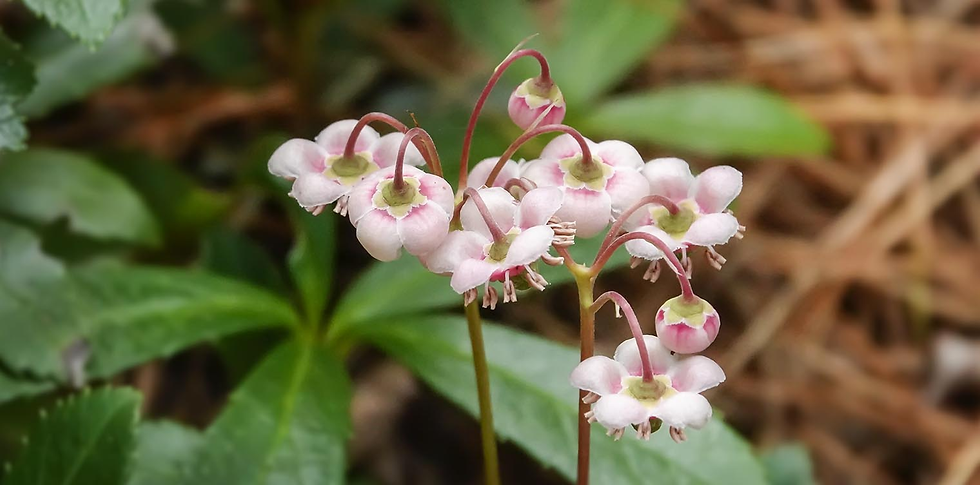
🌱 Botanical Description of Pipsissewa
Pipsissewa is a fascinating low-growing evergreen perennial that is native to a variety of regions across the globe, specifically:
North America
Europe
Northern Asia
This plant is particularly well-adapted to specific ecological niches, making it a notable member of the forest understory. Its distribution reflects its preference for certain climatic and soil conditions, which are essential for its growth and survival.
Habitat:
Pipsissewa typically thrives in dry to moist coniferous and mixed forests, where it finds the ideal balance of light and shade. These forests often feature a diverse array of tree species, contributing to a rich understory ecosystem.
It is commonly found in acidic, well-drained soils that provide the necessary nutrients while preventing waterlogging. The soil composition is crucial, as it influences not only the growth of Pipsissewa but also the overall health of the surrounding plant community.
Identifying features:
Pipsissewa is characterized by its glossy, dark green leaves that exhibit a serrated edge, giving them a distinct appearance. These leaves are not only aesthetically pleasing but also play a crucial role in photosynthesis and water retention.
The plant has a unique whorled leaf arrangement, which means that multiple leaves grow from a single point on the stem. This arrangement maximizes light capture and enhances the plant's ability to thrive in shaded environments.
During its flowering season, Pipsissewa produces charming pink to white nodding flowers that dangle delicately from slender stems. These flowers are not only visually striking but also attract various pollinators, contributing to the biodiversity of their habitats.
Another notable feature is its creeping rhizomes, which allow the plant to spread and form small colonies on the forest floor. This vegetative reproduction is vital for maintaining its population in the wild, as it enables the plant to occupy favorable microhabitats.
Pipsissewa often forms small colonies on forest floors, thriving in shaded woodland environments where it can benefit from the dappled sunlight filtering through the tree canopy. These colonies not only create a lush ground cover but also contribute to the overall health of the forest ecosystem by helping to prevent soil erosion and providing habitat for various forest-dwelling organisms. Its ability to adapt to different moisture levels and soil types further underscores its resilience as a species, making Pipsissewa a remarkable example of nature's diversity and adaptability.
📜 Etymology & Names
“Pipsissewa” derives from the Cree word pipsissewa, which translates to “it breaks into small pieces.” This name is particularly significant as it reflects the historical and traditional use of the plant in indigenous medicine, where it was commonly utilized for its diuretic properties. The plant's ability to aid in the dissolution of kidney stones was well-known among Native American tribes, who relied on its therapeutic qualities for treating various ailments. The name not only highlights the plant's physical characteristics but also underscores the deep-rooted cultural practices surrounding its medicinal applications.
“Chimaphila” comes from the Greek words “chima” meaning “winter” and “philos” meaning “loving.” This nomenclature aptly describes the plant's evergreen nature, allowing it to thrive in colder climates and retain its foliage throughout the winter months. The term encapsulates the resilience of the plant, which flourishes in shaded, forested areas, often found in acidic soils. Its ability to adapt to harsh winter conditions makes it a symbol of endurance and vitality in the plant kingdom, further enriching its significance in botanical studies and horticultural practices.
“Prince’s Pine” is a common name that evokes a sense of nobility and elegance, drawing attention to the plant’s distinct aroma reminiscent of pine. This name not only reflects the sensory experience associated with the plant but also hints at its historical use in various cultural rituals and practices. The term “Prince’s” suggests a regal quality, perhaps indicating that the plant was once favored or esteemed by those in power or by traditional healers. Its aromatic foliage has been appreciated not only for its fragrance but also for its potential uses in herbal medicine, making it a cherished species among herbalists and nature enthusiasts alike.
🧿 Historical & Traditional Uses
Indigenous North American Medicine
Pipsissewa has a rich history of medicinal use among various Indigenous tribes across North America. This versatile herb was not only valued for its healing properties but also held cultural significance within many communities. The plant thrives in shaded, forested areas and is characterized by its evergreen leaves and delicate white flowers, making it a notable part of the natural landscape.
Widely used by multiple tribes for:
Kidney and bladder disorders: Indigenous healers recognized the diuretic properties of pipsissewa, which made it an effective treatment for various kidney and bladder ailments. By promoting urine flow, it helped flush out toxins and alleviate discomfort associated with these organs.
Urinary tract infections: The antiseptic qualities attributed to pipsissewa made it a popular choice for combating urinary tract infections. The plant's ability to soothe inflammation and reduce bacterial growth was particularly valued, leading to its inclusion in traditional remedies.
Rheumatism: Pipsissewa was employed as a natural remedy for rheumatism, a condition characterized by painful inflammation of the joints. The herb was believed to help reduce pain and swelling, providing relief to those suffering from this debilitating condition.
Lymphatic swelling: The lymphatic system plays a crucial role in maintaining the body's immune response, and pipsissewa was traditionally used to address issues related to lymphatic swelling. Its alterative properties helped in detoxifying the body and promoting overall lymphatic health.
Chronic skin conditions: The anti-inflammatory and soothing effects of pipsissewa made it a go-to treatment for various chronic skin conditions. Healers would prepare topical applications to alleviate symptoms associated with rashes, eczema, and other skin irritations.
Often prepared as a tea or wash, pipsissewa was typically brewed by steeping the leaves in hot water, allowing the beneficial compounds to infuse into the liquid. This tea could be consumed for internal ailments or used externally as a wash to treat skin issues. The versatility of pipsissewa in traditional healing practices underscores its importance in Indigenous North American medicine.
Eclectic & Early American Herbalism
As European settlers arrived in North America, they encountered pipsissewa and quickly adopted its use into their own herbal practices. During the 19th century, it became a favored alterative, a term used to describe herbs that help to restore balance and promote overall health by supporting the body's natural functions. The plant was particularly noted for its effectiveness in addressing a variety of ailments.
A favored alterative for:
Scrofula (lymphatic TB): Pipsissewa gained recognition as a remedy for scrofula, a form of tuberculosis that affects the lymphatic system. Its ability to purify the blood and enhance lymphatic function made it a valuable addition to the herbal pharmacopeia of early American herbalists.
Chronic rheumatism: Similar to its use in Indigenous practices, pipsissewa was employed by early American herbalists to relieve the symptoms of chronic rheumatism. Its anti-inflammatory properties were believed to alleviate pain and improve mobility for those afflicted by this condition.
Urinary gravel: The herb was also noted for its effectiveness in treating urinary gravel, a condition characterized by the presence of small stones in the urinary tract. By promoting diuresis and reducing inflammation, pipsissewa helped to ease the passage of these stones and reduce discomfort.
Metabolic waste accumulation: Herbalists recognized that pipsissewa could assist in the elimination of metabolic waste from the body. By supporting kidney function and promoting detoxification, it was considered an important herb for maintaining overall health and vitality.
In summary, the historical and traditional uses of pipsissewa reflect its significance in both Indigenous North American medicine and early American herbalism. Its wide range of applications, from treating urinary issues to alleviating rheumatic pain, highlights the plant's versatility and enduring legacy in the realm of natural healing practices.
🩺 Medicinal Actions & Indications
⭐ 1. Urinary Tract Antiseptic (Primary Action)
Pipsissewa is a remarkable herb that has garnered attention for its potent antiseptic properties specifically targeting the urinary tract. This herb is especially effective for:
UTIs: Urinary Tract Infections are common ailments that can cause significant discomfort and health issues. Pipsissewa helps combat the bacteria responsible for these infections, providing a natural alternative to conventional antibiotics.
Bladder irritation: Many individuals experience bladder irritation due to various factors including infections, dietary choices, or underlying medical conditions. The soothing properties of pipsissewa can help alleviate this irritation, promoting comfort and well-being.
Burning urination: A frequent symptom associated with urinary tract issues, burning urination can be both painful and distressing. Pipsissewa acts to reduce this burning sensation, allowing for a more comfortable urination experience.
Chronic urinary inflammation: For those suffering from persistent urinary inflammation, pipsissewa offers a natural means to help reduce inflammation and restore balance in the urinary system, contributing to overall urinary health.
This herb not only disinfects the urinary tract but also reduces irritation, promoting healing and restoring normal function. Its dual action of providing both antiseptic effects and soothing properties makes it a valuable ally in maintaining urinary health.
⭐ 2. Diuretic & Stone Support
Pipsissewa has been traditionally used in herbal medicine for its diuretic properties, making it a valuable herb for individuals looking to enhance their urinary system's function. It is known to:
Increase urine flow: By promoting increased urine production, pipsissewa helps the body eliminate toxins more efficiently. This can be particularly beneficial for those experiencing fluid retention or other related conditions.
Help dissolve or prevent urinary stones: Urinary stones can cause severe pain and complications. Pipsissewa is believed to assist in dissolving existing stones and preventing the formation of new ones, thereby supporting kidney and bladder health.
Flush sediment from kidneys: The herb's diuretic action aids in flushing out sediment and impurities from the kidneys, which can contribute to better kidney function and overall urinary health.
For optimal results, it is best to use pipsissewa in conjunction with adequate hydration. Drinking plenty of water not only enhances the diuretic effects of the herb but also helps in flushing out toxins and supports kidney health. Together, these actions make pipsissewa a holistic approach to urinary care, offering both preventive and therapeutic benefits.
⭐ 3. Lymphatic & Alterative
Pipsissewa supports the movement and cleansing of various bodily systems, particularly focusing on the lymphatic system. The lymphatic system plays a crucial role in maintaining fluid balance, filtering out toxins, and supporting the immune response. By enhancing lymphatic circulation, Pipsissewa aids in the efficient removal of metabolic wastes from the body, which can accumulate due to various factors such as poor diet, sedentary lifestyle, or environmental toxins.
Lymphatic system: The stimulation of lymphatic flow can help reduce swelling and improve overall immunity, making it an essential component in detoxification protocols.
Metabolic wastes: By facilitating the elimination of metabolic byproducts, Pipsissewa not only promotes bodily health but also contributes to increased energy levels and enhanced vitality.
This herb has been traditionally used for a variety of health issues, particularly those that involve inflammation and fluid retention:
Swollen glands: Pipsissewa may assist in reducing the size and discomfort of swollen lymph nodes, often a sign of infection or illness.
Chronic inflammatory skin conditions: Conditions such as eczema or psoriasis can benefit from Pipsissewa’s ability to modulate immune responses and reduce inflammation.
Rheumatic states: The herb is also known for its potential to alleviate symptoms associated with rheumatism, providing a natural alternative for those seeking relief from joint pain and stiffness.
⭐ 4. Anti-inflammatory & Astringent
Pipsissewa is recognized for its potent anti-inflammatory and astringent properties, which are beneficial in addressing various inflammatory conditions. The anti-inflammatory action helps in reducing:
Tissue irritation: This can be particularly useful in managing discomfort caused by inflammation in the tissues, leading to improved comfort and healing.
Weeping or inflamed mucosa: The astringent properties of Pipsissewa help to tighten and tone mucous membranes, making it effective for conditions characterized by excessive discharge or inflammation.
These properties make Pipsissewa especially helpful for:
Bladder inflammation: It can soothe the bladder lining, reducing the pain and urgency associated with conditions like cystitis.
Chronic cystitis: By alleviating inflammation and irritation, Pipsissewa may help in managing chronic cases of cystitis, providing relief from persistent symptoms.
⭐ 5. Rheumatic Support
Pipsissewa has a long history of traditional use in the management of rheumatic conditions. It is particularly valued for its supportive role in:
Rheumatism: The herb may help to relieve joint pain and stiffness associated with rheumatism, making it a popular choice among herbalists for those suffering from this debilitating condition.
Gouty conditions: Pipsissewa is believed to assist in the reduction of uric acid levels in the body, thereby alleviating the symptoms of gout, which can be quite painful and disruptive.
These benefits are especially pronounced when the rheumatic conditions are associated with dampness and urinary stagnation, highlighting the herb's ability to not only address the symptoms but also the underlying causes of discomfort and inflammation. By supporting the body’s natural processes, Pipsissewa serves as a valuable ally in the pursuit of wellness and relief from chronic rheumatic pain.
🔬 Chemistry & Pharmacology
Pipsissewa has garnered attention in both traditional and modern medicine due to its rich chemical composition and diverse pharmacological properties. This plant is primarily found in the northern regions of North America and parts of Asia, thriving in acidic, moist forest soils. Its significance in herbal medicine can be attributed to several key constituents that contribute to its therapeutic effects.
Key constituents include:
Arbutin (hydroquinone precursor): Arbutin is a glycosylated form of hydroquinone, which is known for its ability to undergo hydrolysis in alkaline conditions, particularly in urine. This transformation results in the release of hydroquinone, a compound recognized for its antimicrobial properties, especially against urinary pathogens. The presence of arbutin in pipsissewa is particularly valuable in treating urinary tract infections (UTIs), as it helps to cleanse the urinary system and reduce the risk of infection.
Chimaphilin (naphthoquinone): This compound is a significant naphthoquinone derivative found in pipsissewa. Chimaphilin has been studied for its potential anti-tumor and anti-inflammatory properties. Its mechanism of action involves the inhibition of specific enzymes and pathways that contribute to inflammation and cancer progression, making it a compound of interest in pharmacological research.
Tannins: Tannins are polyphenolic compounds known for their astringent properties. In pipsissewa, tannins contribute to the plant's ability to bind and precipitate proteins, which can help in reducing inflammation and promoting wound healing. Additionally, tannins possess antimicrobial properties that can help combat various pathogens, adding to the plant's medicinal value.
Flavonoids: These are a diverse group of phytonutrients found in pipsissewa that contribute to its antioxidant effects. Flavonoids are known for their ability to scavenge free radicals, thereby protecting cells from oxidative stress. They also play a role in modulating various biological processes, including inflammation and immune responses, making them essential for the overall health benefits associated with pipsissewa.
Pharmacological actions:
Urinary antiseptic (arbutin → hydroquinone in alkaline urine): The conversion of arbutin to hydroquinone in the urinary tract is crucial for its antiseptic properties. Hydroquinone exhibits significant antibacterial activity, particularly against common uropathogens, thus aiding in the prevention and treatment of urinary tract infections. This makes pipsissewa a valuable herb in herbal urology.
Anti-inflammatory: The anti-inflammatory properties of pipsissewa can be attributed to its various constituents, including chimaphilin and flavonoids. These compounds help to inhibit the production of pro-inflammatory cytokines and enzymes, thereby reducing inflammation in various tissues. This action is beneficial not only for urinary tract health but also for other inflammatory conditions.
Diuretic: Pipsissewa is recognized for its diuretic effects, which promote increased urine production. This diuretic action can help in flushing out toxins and excess salts from the body, thereby supporting kidney function and overall urinary health. The diuretic properties are particularly useful in managing conditions such as edema and hypertension.
In summary, the chemistry and pharmacology of pipsissewa highlight its potential as a therapeutic agent in various health conditions, particularly those related to urinary health. The synergistic effects of its key constituents contribute to its efficacy as an herbal remedy, making it a subject of continued research and interest in both traditional and contemporary medicine.
⚗️ Preparations & Dosage
Infusion
To prepare an infusion of Pipsissewa, begin by measuring out 1 to 2 teaspoons of the dried herb for each cup of water you intend to use. The dried leaves and stems of the plant are typically utilized for this method, as they contain the essential oils and beneficial compounds that contribute to its medicinal properties.
Once you have measured the herb, bring your water to a boil. After boiling, remove the water from heat and pour it over the dried herb. Cover the container to retain the heat and allow the mixture to steep for a period of 10 to 15 minutes. This steeping process is crucial, as it allows the water to extract the active constituents from the herb, resulting in a potent infusion.
After steeping, strain the infusion to remove the solid particles, and your herbal tea is ready to be consumed. It is recommended to drink 2 to 3 cups of this infusion daily to experience the full range of health benefits associated with Pipsissewa, which may include improved urinary health and anti-inflammatory effects.
Tincture (1:5, 40–50%)
For those who prefer a more concentrated form, a tincture of Pipsissewa can be an excellent option. A tincture is typically prepared using a ratio of 1 part dried herb to 5 parts alcohol, with an alcohol content ranging from 40% to 50%. This preparation method extracts a wide array of phytochemicals from the plant, resulting in a potent liquid extract.
To use the tincture effectively, it is recommended to take 2 to 4 mL of the tincture twice daily. This dosage can be adjusted based on individual health needs and responses. The tincture can be taken directly or diluted in a small amount of water or juice for easier consumption.
Decoction
While a decoction of Pipsissewa can sometimes be used, it is generally less favored compared to the infusion method. A decoction involves boiling the dried herb in water for an extended period, typically 20 to 30 minutes, to extract the more robust components of the plant. However, due to the delicate nature of Pipsissewa’s active ingredients, the infusion is often preferred as it provides a gentler extraction process that preserves the herb's beneficial properties.
Topical Wash
Pipsissewa can also be utilized externally as a topical wash, particularly beneficial for addressing chronic skin inflammation or sores. To prepare a topical wash, an infusion can be made similarly to the drinking infusion, but in larger quantities. The infusion can then be cooled to a comfortable temperature and applied directly to the affected areas of the skin. This application can help soothe irritation, promote healing, and reduce inflammation due to the herb's anti-inflammatory properties.
⚠️ Contraindications & Safety
Use caution if:
Pregnancy or breastfeeding: The use of Pipsissewa during pregnancy or while breastfeeding should be approached with caution. Although there is limited research on its effects in pregnant or nursing women, the potential impact on fetal development or infant health is not fully understood. Therefore, it is advisable to consult a healthcare professional before using Pipsissewa in these situations to ensure the safety of both the mother and child.
Severe kidney disease: Individuals with severe kidney disease should exercise caution when considering the use of Pipsissewa. The herb is known to affect urinary function and may place additional strain on already compromised kidneys. This could potentially lead to adverse effects or exacerbate existing kidney issues. A healthcare provider's guidance is essential to evaluate the risks versus benefits in such cases.
Long-term continuous use (arbutin content): Pipsissewa contains arbutin, a compound that can have various effects on the body. Prolonged or continuous use of products containing arbutin may lead to unforeseen consequences, including potential toxicity or adverse reactions. It is crucial to limit the duration of use and to monitor for any side effects if Pipsissewa is incorporated into a long-term health regimen.
Possible side effects:
GI irritation (rare): While generally considered safe for most users, Pipsissewa may cause gastrointestinal irritation in some individuals. This is a rare occurrence but can manifest as discomfort, nausea, or upset stomach. If any digestive issues arise after consuming Pipsissewa, it is recommended to discontinue use and consult with a healthcare professional to assess the situation and determine the best course of action.
Furthermore, it is advisable to avoid combining Pipsissewa with strongly acidic diets or medications if the primary goal is to achieve urinary antiseptic effects. The acidity can potentially interfere with the efficacy of Pipsissewa, diminishing its therapeutic benefits. A balanced approach to diet and medication is essential to maximize the potential health benefits of Pipsissewa while minimizing any possible risks.
🌿 Synergistic Pairings
For UTIs
Uva ursi: Known scientifically as Arctostaphylos uva-ursi, this herb has been traditionally used for its antiseptic properties, particularly in the urinary tract. It contains compounds like arbutin, which is converted into hydroquinone in the body, offering antibacterial effects that can help alleviate symptoms associated with urinary tract infections (UTIs). When combined with pipsissewa, Uva ursi can enhance the overall therapeutic effect, providing a more comprehensive approach to treating UTIs.
Corn silk: The silky threads that grow from corn ears are not just for decoration; they have been used in herbal medicine for their diuretic properties. Corn silk helps to soothe the urinary tract and can promote urination, which is beneficial in flushing out bacteria during a UTI. When synergized with pipsissewa, the combination can further support urinary health by reducing inflammation and irritation in the bladder.
Marshmallow root: This herb is renowned for its mucilaginous properties, which can coat and soothe the mucous membranes of the urinary tract. Marshmallow root can help reduce discomfort associated with UTIs and, when paired with pipsissewa, may enhance the soothing effects while also providing additional anti-inflammatory benefits, making it easier for the body to recover from infection.
For lymph & skin
Cleavers: Also known as Galium aparine, cleavers are often used to support lymphatic health. This herb helps to stimulate lymphatic flow, which can assist in detoxification and reduce swelling. When combined with pipsissewa, the duo can work synergistically to promote clearer skin and enhance lymphatic drainage, aiding in the removal of toxins that may lead to skin issues.
Red clover: This herb is packed with phytoestrogens and has been traditionally used to support skin health and improve lymphatic function. Red clover can help to balance hormones and improve circulation, which is vital for healthy skin. When taken alongside pipsissewa, it can amplify the skin’s healing processes, making it effective for conditions such as eczema or acne.
Burdock: Renowned for its blood-purifying properties, burdock root can help to detoxify the body and promote clearer skin. It contains antioxidants that protect the skin from damage and inflammation. The combination of burdock with pipsissewa can create a powerful synergy that not only supports lymphatic health but also enhances the skin’s resilience against various ailments.
For rheumatism
Birch: The leaves and bark of the birch tree are known for their anti-inflammatory properties, which can be beneficial in treating conditions like rheumatism. Birch helps to alleviate pain and swelling in the joints. When combined with pipsissewa, this pairing can enhance the anti-inflammatory effects, potentially providing greater relief from the discomfort associated with rheumatic conditions.
Meadow sweet: This herb contains salicylates, which are natural compounds that can help reduce pain and inflammation. Meadow sweet is often used as a natural alternative to aspirin. By pairing it with pipsissewa, the combination can provide a more holistic approach to managing rheumatism, targeting both pain relief and inflammation reduction.
Nettles: Known for their rich nutrient profile, nettles are beneficial for joint health. They contain anti-inflammatory compounds and can also support the body’s natural detoxification processes. When synergized with pipsissewa, nettles can enhance the overall therapeutic effects for those suffering from rheumatism, aiding in both pain management and inflammation reduction.
🔮 Spiritual & Esoteric Lore
Pipsissewa serves as a quiet cleanser of hidden channels. This plant, often found in the rich, shaded undergrowth of forests, embodies a profound connection to the earth and its healing properties. With its delicate yet resilient nature, Pipsissewa has long been revered in various traditions for its ability to facilitate the release of stagnant energies and promote a state of balance within the body and spirit.
Energetic Themes
Clearing stagnation: Pipsissewa is particularly effective in addressing areas where energy has become blocked or stagnant. This stagnation can manifest in both physical ailments and emotional states, leading to feelings of heaviness or lethargy. By working to clear these blockages, Pipsissewa encourages a renewed sense of vitality and movement within the individual.
Subtle purification: The gentle nature of Pipsissewa allows it to perform subtle acts of purification without overwhelming the system. This makes it an ideal ally for those seeking to detoxify their bodies or minds, as it supports gradual and sustained cleansing processes rather than sudden, drastic changes.
Persistence: The essence of Pipsissewa embodies a spirit of persistence. Just as this hardy plant thrives in challenging environments, it teaches us that perseverance is key to overcoming obstacles. This theme of steadfastness is particularly relevant when dealing with long-standing issues that require time and dedication to resolve.
Inner flow restoration: By addressing stagnation and promoting purification, Pipsissewa plays a crucial role in restoring the natural flow of energy within the body. This restoration is not merely physical; it extends to emotional and spiritual realms, allowing for a holistic sense of well-being and harmony.
Doctrine of Signatures
Evergreen leaves → endurance and constancy: The evergreen nature of Pipsissewa's leaves symbolizes resilience and the ability to endure through the seasons of life. This characteristic serves as a reminder of the importance of maintaining a steady course, even amidst challenges.
Forest-floor habitat → hidden pathways: Growing in the shadowy depths of the forest, Pipsissewa represents the exploration of hidden pathways within ourselves. It encourages us to delve into the depths of our psyche and uncover the layers of our being that may be obscured from our conscious awareness.
Breaking stones → resolving hardened patterns: The plant's ability to thrive in rocky soil illustrates its power to break down barriers and resolve rigid, entrenched patterns in our lives. This aspect of Pipsissewa serves as a metaphor for the inner work necessary to dismantle the obstacles we face, allowing for transformation and growth.
Pipsissewa teaches:
“What is stuck can soften, given time and gentle persistence.” This profound teaching invites us to embrace a compassionate approach to our struggles, reminding us that healing is a journey that requires patience and kindness towards ourselves. By honoring the process and allowing for gradual change, we can find liberation from what binds us, ultimately leading to a more fluid and harmonious existence.
✅ Final Thoughts
Pipsissewa is a refined woodland medicine offering:
Urinary tract antisepsis
Lymphatic and metabolic clearing
Support for rheumatic and inflammatory states
Gentle, sustained purification
It is especially valuable for chronic, low-grade conditions where dampness and stagnation persist beneath the surface.


Comments